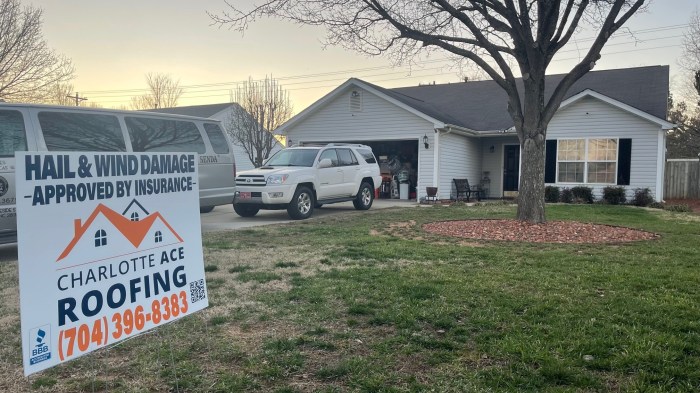
Storm-resistant roofing materials ensuring home safety

Storm-resistant roofing materials

Storm-resistant roofing materials are essential for safeguarding your home against nature’s fury. With severe weather events becoming more frequent, investing in robust roofing solutions not only enhances the durability of your home but also offers peace of mind.

This overview will navigate through the various types of storm-resistant materials available, their benefits in storm-prone areas, and how they contribute significantly to overall home security. Understanding these aspects can help homeowners make informed decisions when it comes to protecting their properties.

Overview of Storm-Resistant Roofing Materials

Storm-resistant roofing materials

In regions frequently plagued by severe weather, the importance of storm-resistant roofing materials cannot be overstated. These materials not only protect homes from the damaging effects of high winds, heavy rains, and hail but also contribute significantly to the overall safety and longevity of the structure. Investing in quality roofing solutions is a proactive measure that every homeowner in storm-prone areas should consider seriously.

Various types of storm-resistant materials are available in the market, making it easier for homeowners to choose the best fit for their needs. These materials are designed to withstand extreme weather conditions, ensuring that roofs can endure the harshest storms. Understanding the features and benefits of these materials is crucial for making informed decisions.

Types of Storm-Resistant Roofing Materials

When selecting roofing materials that can withstand storms, it’s essential to consider the different options available. Each type has unique properties that enhance its resilience. Below are some of the most common storm-resistant materials:

  • Metal Roofing: Metal roofs, made from steel or aluminum, are highly durable and can withstand high winds and heavy precipitation. Their smooth surface helps shed snow and rain, minimizing water accumulation, which can lead to leaks.
  • Slate Shingles: Known for their longevity, slate shingles not only provide aesthetic appeal but also resist wind and impact damage. They are fire-resistant as well, adding an extra layer of safety.
  • Fiberglass Asphalt Shingles: These shingles are designed with a mat of fiberglass, making them lighter and more flexible. They can withstand wind speeds of up to 130 mph when properly installed.
  • Tile Roofing: Clay or concrete tiles are incredibly robust and can endure severe storms without cracking or breaking. Their weight helps them stay in place even during high winds.
  • Impact-Resistant Shingles: Specifically engineered to resist impact from hail and debris, these shingles usually meet the most stringent testing standards, making them an excellent choice for storm-prone areas.

The choice of roofing material significantly impacts the long-term safety and durability of a home in adverse weather conditions. Investing in robust materials ensures that homes remain intact and safe during storms, ultimately saving homeowners from costly repairs and providing peace of mind.

Benefits of Using Storm-Resistant Materials

Opting for storm-resistant roofing materials comes with numerous advantages, particularly for homes in areas prone to severe weather. These benefits include enhanced safety, reduced maintenance costs, and increased property value. Below are some key benefits associated with storm-resistant roofing materials:

  • Improved Safety: Homes fitted with storm-resistant roofs offer better protection for residents during severe weather events, reducing the risk of injury or property damage.
  • Cost Efficiency: Although the initial investment may be higher, storm-resistant materials can result in lower repair and maintenance costs over time due to their durability.
  • Energy Efficiency: Many storm-resistant materials provide superior insulation properties, helping to maintain comfortable indoor temperatures and reducing energy bills.
  • Increased Home Value: A storm-resistant roof can enhance the overall value of a property, making it more attractive to potential buyers.

Incorporating storm-resistant materials into home construction or renovation is a crucial step in safeguarding against the unpredictable nature of severe weather. These materials not only offer practical benefits but also enhance the aesthetic appeal of homes, providing a win-win for homeowners.

Comparing Popular Storm-Resistant Roofing Materials

Storm-resistant roofing materials

When evaluating storm-resistant roofing materials, it’s essential to consider not only their ability to withstand harsh weather conditions but also their cost-effectiveness over time. The most common options in the market include metal, tile, and asphalt shingles. Each material has its distinct advantages and drawbacks that can influence your choice based on your specific needs and budget.In this section, we will delve into a comparative analysis of metal, tile, and asphalt shingles, emphasizing their storm resistance, durability, and overall performance during extreme weather events.

By understanding the characteristics of each material, homeowners can make informed decisions that align with their long-term goals.

Comparison of Storm Resistance, Cost, and Durability

When it comes to storm resistance, each roofing material exhibits different levels of performance. Understanding these differences can help in selecting the right option.

Material Storm Resistance Cost-Effectiveness
Metal Highly resistant to wind, hail, and heavy rain; lifespan of 40-70 years. Higher initial cost but lower long-term maintenance; efficiency savings on cooling.
Tile Excellent durability against wind and hail; lifespan of 50-100 years. More expensive upfront but long-lasting; potential for reduced insurance premiums.
Asphalt Shingles Moderate resistance to storms; lifespan of 15-30 years, prone to damage in severe conditions. Lower initial cost, but higher replacement frequency increases total expenditure.

Here are some key points to consider regarding the pros and cons of each material:

  • Metal Roofing:
    • Pros: Lightweight, fire-resistant, highly reflective, and available in various styles.
    • Cons: Higher installation costs and can be noisy during rain or hail.
  • Tile Roofing:
    • Pros: Superior aesthetic appeal, withstands extreme weather, and energy-efficient.
    • Cons: Very heavy, may require additional structural support, and higher cost of installation.
  • Asphalt Shingles:
    • Pros: Widely available, versatile in design, and economical.
    • Cons: Shorter lifespan, less resistant to severe weather, and potential for algae growth.

The choice of roofing material can significantly affect the safety and longevity of your home during storms. Each option comes with its unique set of features and financial implications.

Investing in high-quality storm-resistant roofing is not just about immediate costs; it’s about long-term performance and protection.

Home Security and Storm-Resistant Roofing

Storm-resistant roofing plays a crucial role in enhancing overall home security during severe weather events. This type of roofing not only safeguards the structure from high winds, hail, and heavy rain, but it also contributes to the safety and security of the inhabitants within. A well-constructed roof can be the difference between a secure home and significant damage or loss during a storm.Integrating storm-resistant materials into a home’s infrastructure is vital for comprehensive home security.

When homeowners choose resilient roofing options, they not only protect their property from the elements but also reinforce their defense against potential intruders who may exploit vulnerabilities created by storm damage. Thus, storm-resistant roofing should be viewed as an essential component of an overall home security strategy.

Assessing Roofing Effectiveness in Storm Conditions

Evaluating the effectiveness of existing roofing in storm conditions is essential for homeowners who want to ensure their safety during severe weather. A proactive approach can prevent possible damage and enhance the security of the home.Homeowners can follow these strategies to assess their current roofing:

1. Visual Inspection

Regularly inspect the roof for missing shingles, cracks, or other visible damage. Look for signs of wear or degradation that could compromise the roof’s integrity during a storm.

2. Check Material Ratings

Research the storm resistance ratings of your roofing materials. Many products come with classifications, such as those from the Underwriters Laboratories (UL) or the American Society for Testing and Materials (ASTM), which can provide insights into their performance in severe conditions.

3. Consult with Professionals

Engage with a qualified roofing contractor who specializes in storm-resistant materials. They can conduct a thorough assessment and suggest upgrades or repairs necessary for improving the roof’s effectiveness against storms.

4. Review Weather Historical Data

Analyze historical weather data for your region to understand the types of storms common to your area. This information can inform decisions on whether your current roofing can withstand potential future storms.

5. Consider Upgrading

If existing roofing materials are found lacking, consider upgrading to more advanced storm-resistant options. For example, metal roofs or impact-resistant shingles may provide better protection.By taking these steps, homeowners can significantly enhance their home’s resilience against severe weather while reinforcing its security. A robust roofing system not only protects the structure but also offers peace of mind to those residing within.

Epilogue

Ultimately, selecting storm-resistant roofing materials is a proactive step toward ensuring your home stands strong amidst challenging weather conditions. By exploring the options available and recognizing their advantages, homeowners can better prepare themselves for storms, ensuring safety and security for their loved ones.

General Inquiries

What are storm-resistant roofing materials?

Storm-resistant roofing materials are specially designed to withstand harsh weather conditions, including high winds, heavy rain, and hail, ensuring the integrity of your home during storms.

How do I know if my roofing is storm-resistant?

Homeowners can assess storm resistance by checking material ratings, engaging with a roofing professional, or reviewing manufacturer specifications.

Are storm-resistant roofs more expensive?

While the initial cost may be higher, storm-resistant roofs often provide long-term savings due to their durability and reduced repair costs after storms.

Can I retrofit my current roof to make it storm-resistant?

In many cases, retrofitting is possible through the addition of specific materials or reinforcements, but consulting with a roofing professional is essential for tailored solutions.

What maintenance is required for storm-resistant roofs?

Regular inspections for damage, cleaning debris, and ensuring proper drainage are key maintenance tasks to prolong the life of storm-resistant roofs.

Roof ventilation upgrades for energy efficiency and comfort

Roof ventilation upgrades

Roof ventilation upgrades are essential for homeowners looking to enhance their living environment while also improving energy efficiency. Proper ventilation not only helps regulate indoor temperatures but also extends the lifespan of roofing materials by preventing overheating and moisture buildup. As we delve into this topic, you’ll discover how these upgrades contribute to better air quality and overall comfort in your home.

Exploring various types of roof ventilation systems, from passive to active solutions, we’ll highlight their effectiveness and installation processes. Additionally, you’ll learn how roof ventilation interacts with broader home improvement projects, ensuring that your home remains secure and efficient.

Importance of Roof Ventilation Upgrades

Roof ventilation upgrades

Upgrading roof ventilation is a crucial aspect of maintaining a healthy and energy-efficient home. Proper ventilation systems play a vital role in regulating temperature and moisture levels in the attic, which can significantly impact both your living environment and the overall integrity of your roofing system. This discussion highlights the numerous benefits of enhancing roof ventilation, focusing on energy efficiency, the longevity of roofing materials, and improvements in indoor air quality.

Benefits for Energy Efficiency

Improved roof ventilation directly affects energy consumption by maintaining a more stable temperature within the home. When hot air accumulates in the attic during summer months, it can cause increased reliance on air conditioning systems. By enhancing ventilation, this excess heat is expelled more effectively, leading to lower energy bills. Key benefits include:

  • Reduction in air conditioning costs: Proper ventilation can lower indoor temperatures, reducing the need for cooling systems to work overtime.
  • Improved thermal performance: Enhanced airflow helps keep living spaces cooler in the summer and warmer in the winter, contributing to overall energy efficiency.
  • Increased home comfort: Balanced temperatures throughout the home create a more comfortable living environment for occupants.

Longevity of Roofing Materials

Roof ventilation upgrades are essential for prolonging the lifespan of roofing materials. When moisture is allowed to accumulate in the attic, it can lead to issues like mold growth, wood rot, and shingle deterioration. By ensuring proper airflow, roofing materials can dry out more effectively, reducing the risk of damage.Considerations include:

  • Prevention of mold and mildew: Improved ventilation helps to control humidity levels, significantly reducing the risk of mold growth.
  • Protection against ice dams: In colder climates, proper ventilation minimizes the risk of snow melting on the roof and refreezing at the eaves, which can cause ice dams and subsequent leaks.
  • Extended lifespan of roofing materials: By preventing moisture-related issues, roofing systems can last longer, delaying the need for costly repairs or replacements.

Impact on Indoor Air Quality and Comfort

Effective roof ventilation contributes to healthier indoor air quality by facilitating the circulation of fresh air throughout the home. This circulation helps to remove stale air, pollutants, and excess humidity, creating a more comfortable and safer environment for residents.Important points include:

  • Reduction of indoor pollutants: Proper ventilation helps to filter out indoor air contaminants, leading to cleaner air quality.
  • Control of humidity levels: By regulating moisture, ventilation systems prevent issues like condensation, which can lead to discomfort and health problems.
  • Enhanced overall comfort: A well-ventilated attic contributes to consistent temperatures, reducing hot and cold spots within the home.

Types of Roof Ventilation Systems

Roof ventilation upgrades

When it comes to maintaining a healthy and efficient home, understanding the various types of roof ventilation systems is crucial. Proper ventilation helps regulate temperature and moisture levels, ultimately leading to a more comfortable living environment. There are several systems available to homeowners, each with its own advantages and disadvantages.

Passive Ventilation Systems

Passive ventilation relies on natural airflow to circulate air throughout the home. These systems do not require any mechanical components, making them a cost-effective solution for many homeowners. Common types of passive ventilation systems include ridge vents, soffit vents, and gable vents.

  • Ridge Vents: Installed at the peak of the roof, these vents allow hot air to escape while drawing in cooler air from the eaves, creating a natural airflow.
  • Soffit Vents: Placed in the underside of eaves, soffit vents work in conjunction with ridge vents to enhance airflow. They are crucial in providing the intake needed for ridge vents to function effectively.
  • Gable Vents: Located at the end of the attic, gable vents allow for cross-ventilation by facilitating airflow through the attic space.

Active Ventilation Systems

Active ventilation systems use mechanical fans to enhance airflow, making them especially beneficial in areas with high humidity or temperatures. These systems include attic fans and whole-house fans, which can significantly improve air exchange rates.

  • Attic Fans: Mounted in the attic, these fans expel hot air, allowing cooler air to enter from outside. They can be thermostat-controlled to operate only when temperatures exceed a certain threshold.
  • Whole-House Fans: Installed in the ceiling, these fans pull cool air into the home while exhausting warm air through windows. They are particularly effective during cooler evening hours.

Comparison of Passive and Active Ventilation Solutions

Both passive and active ventilation systems have unique benefits that cater to different needs within residential properties.

Passive systems are energy-efficient and low-maintenance, while active systems provide enhanced control over air circulation.

Active systems tend to be more effective in areas where passive airflow is insufficient, but they also involve higher installation and operational costs. Homeowners should consider their climate, roof type, and budget when deciding between these options.

Installation Process of Roof Ventilation Systems

The installation of roof ventilation systems varies depending on the type chosen. Proper installation is key to ensuring efficiency and effectiveness.

  • For Passive Ventilation:
    • Ridge Vents: Cut a slot along the peak of the roof, fit the vent, and secure it with roofing nails.
    • Soffit Vents: Cut holes in the soffit, insert the vents, and seal them to prevent moisture entry.
    • Gable Vents: Create an opening in the gable wall, install the vent, and ensure it’s securely fastened.
  • For Active Ventilation:
    • Attic Fans: Cut an opening in the roof or gable, mount the fan, and connect it to a power source.
    • Whole-House Fans: Install in the ceiling between the attic and living space, ensuring proper sealing and electrical connections.

Each installation process should be conducted with care, adhering to local building codes and guidelines to ensure optimal performance and safety.

Related Home Improvement Areas

Roof ventilation plays a crucial role in enhancing the overall performance of a home’s roofing system. When properly designed and installed, roof ventilation can significantly improve energy efficiency, prolong the lifespan of roofing materials, and contribute to a healthier living environment. This interconnected relationship highlights the importance of considering roof ventilation within the broader scope of home improvement projects.Roof ventilation upgrades not only enhance energy efficiency but also play a vital role in home security by preventing moisture damage.

Excess moisture buildup can lead to mold growth, which not only affects air quality but can also weaken structural components of the home. By ensuring adequate air circulation, proper ventilation serves as a barrier against moisture-related issues that could compromise home integrity.

Integration of Roof Ventilation Upgrades with Other Home Improvement Projects

Integrating roof ventilation upgrades with other home improvement projects can maximize benefits while minimizing additional costs. When planning roof ventilation improvements, it is essential to consider the following related areas:To effectively align roof ventilation with other home improvements, homeowners should consider:

  • Insulation Improvements: Upgrading insulation can enhance the effectiveness of ventilation systems. Proper insulation paired with adequate ventilation can prevent heat retention in the summer and heat loss in the winter, creating a more comfortable home environment.
  • Roof Replacement: When replacing the roof, it is an ideal time to assess and upgrade the ventilation system. New roofing materials may offer better compatibility with modern ventilation solutions, enhancing overall performance.
  • Window and Door Sealing: Ensuring that all windows and doors are properly sealed can complement ventilation upgrades. This prevents drafts and helps maintain controlled airflow, while also improving overall energy efficiency.
  • HVAC System Enhancements: Upgrading heating, ventilation, and air conditioning (HVAC) systems can work in unison with roof ventilation improvements. A well-ventilated attic can reduce the load on the HVAC system, leading to lower energy bills and increased system longevity.

By approaching home improvements holistically, homeowners can optimize their investments and create a cohesive plan that leads to greater efficiency and comfort.

“Proper roof ventilation is a critical component of a healthy home, impacting both comfort and structural integrity.”

Summary

In summary, upgrading your roof ventilation is a smart investment for energy efficiency, material longevity, and indoor comfort. By understanding the different systems available and their interconnectedness with other home improvements, you can make informed decisions that benefit both your living space and the environment. Don’t overlook the significance of ventilation; it’s a crucial element in maintaining a healthy, comfortable, and energy-efficient home.

FAQ Summary

What is roof ventilation?

Roof ventilation refers to the system of air flow that helps regulate temperature and moisture in the attic and throughout the home.

How do I know if my roof needs ventilation upgrades?

Signs include poor indoor air quality, excessive heat in the attic, and visible mold growth or moisture damage on roofing materials.

What are the benefits of passive versus active ventilation?

Passive ventilation relies on natural airflow, while active ventilation uses mechanical systems to improve air movement, often providing quicker results.

Can roof ventilation systems help reduce energy bills?

Yes, improved ventilation can lower energy costs by reducing the need for air conditioning and heating.

How often should roof ventilation be checked or maintained?

It’s recommended to inspect roof ventilation systems at least once a year, particularly before extreme weather seasons.

Cool roof technology Enhancing Energy Efficiency and Savings

Cool roof technology

Kicking off with Cool roof technology, this innovative approach to roofing is gaining traction for its ability to significantly enhance energy efficiency. By reflecting more sunlight and absorbing less heat, cool roofs help maintain cooler indoor temperatures, which can lead to reduced energy consumption and lower utility bills.

The materials used in cool roofs vary, ranging from reflective coatings and highly reflective tiles to specialized membranes, all designed to create a barrier against heat. Successful installations across residential and commercial buildings illustrate the practicality and effectiveness of this technology, showcasing its potential to make a positive impact on energy consumption and environmental sustainability.

Overview of Cool Roof Technology

Cool roof technology is an innovative approach designed to enhance energy efficiency by reflecting more sunlight and absorbing less heat than standard roofs. This technology helps in reducing building temperatures, leading to lower energy costs for cooling and a decreased environmental footprint. Cool roofs can be made of a variety of materials, each engineered to maximize reflectivity and thermal emittance, which are critical for energy savings especially in hot climates.The materials used in cool roofs range from reflective coatings to specially designed roofing membranes.

Common options include white or light-colored reflective materials, such as elastomeric roof coatings, single-ply membranes, or tiles that are specifically manufactured to have high solar reflectance. These materials can be applied to both new and existing roofs, making them versatile for various building types. In addition to this, certain green roofs that incorporate vegetation also qualify as cool roofs due to their natural cooling effects.

Successful Cool Roof Installations

Several successful installations of cool roof technology can be highlighted to demonstrate its effectiveness. In residential areas, homes that have adopted reflective shingles or coatings have reported significant reductions in indoor temperatures during summer months, translating to lower air conditioning usage. For instance, homes in California utilizing cool roofs have experienced energy savings of up to 20% on cooling costs.In the commercial sector, notable projects include large retail stores and warehouses that have implemented white single-ply membrane roofing.

These installations not only lower energy consumption but also contribute to increased comfort for employees and customers alike. An example can be seen with the Target Corporation, which has incorporated cool roof technologies across many of its stores, resulting in enhanced energy efficiency and reduced heat islands in urban areas.In urban environments, the widespread adoption of cool roofs can significantly lower neighborhood temperatures, creating a more pleasant living space.

The City of Los Angeles has actively promoted cool roof initiatives, leading to the installation of reflective roofing systems on thousands of buildings, demonstrating the potential of cool roofs to combat urban heat islands effectively.

“Cool roofs can reduce roof surface temperatures by up to 60°F (33°C) compared to conventional roofs.”

Impact on Home Energy Costs

Cool roof technology

The implementation of cool roof technology significantly influences home energy costs by improving energy efficiency and reducing cooling demands. As homeowners strive to manage their energy expenses effectively, the adoption of cool roofs emerges as a practical solution that not only minimizes costs but also enhances overall comfort within residential spaces.Cool roofs are designed to reflect more sunlight and absorb less heat compared to standard roofs.

This process leads to a decrease in indoor temperatures, which directly translates into lower air conditioning usage. Over time, these savings can accumulate, making a cool roof a long-term investment worth considering.

Reduction in Energy Consumption

One of the primary ways cool roofs contribute to lower energy costs is through their ability to decrease the need for air conditioning. By keeping homes cooler during hot weather, cool roofs lead to reduced energy consumption. Here are some key points to illustrate this impact:

  • Increased Reflectivity: Cool roofs can reflect up to 80% of sunlight, significantly lowering roof surface temperatures compared to conventional roofing materials.
  • Lower HVAC Strain: Reduced heat absorption lessens the burden on heating, ventilation, and air conditioning (HVAC) systems, which typically consume a substantial portion of home energy.
  • Potential Energy Savings: Homeowners can expect a reduction in cooling costs by 20% to 50%, depending on their geographic location and existing roof materials.

Long-term Financial Benefits

Investing in a cool roof can yield notable long-term savings that go beyond immediate energy cost reductions. The initial installation costs may be higher than traditional roofing options, but the financial benefits manifest over time. Important aspects include:

  • Extended Roof Lifespan: The reflective properties of cool roofs help in safeguarding the roofing material from heat-related damages, thereby extending its lifespan and delaying the need for replacement.
  • Tax Incentives: Many regions offer tax credits or rebates for homeowners who install energy-efficient roofing systems, which can further enhance return on investment.
  • Lower Insurance Premiums: Some insurance companies may offer reduced premiums for homes with energy-efficient systems, recognizing the value in reduced risk of heat-related damage.

Environmental Benefits

Cool roofs also contribute to environmental sustainability by lowering energy consumption, which is closely linked to greenhouse gas emissions. When energy is saved, the adverse effects on the environment diminish. Consider these environmental benefits:

  • Reduced Carbon Footprint: As homes utilize less energy, they contribute to lower overall carbon emissions, helping to combat climate change.
  • Mitigating Urban Heat Islands: By reflecting more sunlight, cool roofs help in reducing the urban heat island effect, which can significantly lower surrounding temperatures in metropolitan areas.
  • Enhanced Air Quality: Lower energy demand means reduced power plant emissions, leading to improved air quality and healthier living conditions for communities.

“Implementing cool roof technology is not just a cost-saving measure; it’s an investment in a sustainable future.”

Integration with Home Security Features

Cool roof technology not only enhances energy efficiency but also plays a significant role in improving home security. By fostering a cooler environment on roofs, these systems can contribute to the overall safety of a home in several ways. Homeowners are increasingly looking for innovative solutions that combine energy savings with heightened security, and cool roofs can be a part of this equation.The integration of cool roofing with home security features can enhance durability and support multiple safety measures.

For instance, the reflective properties of cool roofs can reduce heat buildup, which in turn minimizes the likelihood of roof deterioration caused by extreme weather conditions. Additionally, a cooler roof can support the longevity of roofing materials, making them less vulnerable to damage from elements like hail or heavy rain, which can compromise the integrity of a home.

Integration Strategies for Enhanced Security

Combining cool roofing with existing home security measures can create a comprehensive safety strategy. Here are some effective ways to integrate cool roof technology with home security features:

  • Install Security Cameras: Positioning security cameras on or near cool roofs can provide clear visibility and reduce the risk of overheating, ensuring that the cameras function optimally.
  • Use Durable Materials: Opting for highly reflective roofing materials that are also strong and impact-resistant can prevent damage from severe weather, thus enhancing home security.
  • Incorporate Smart Sensors: Integrating smart technology that monitors roof conditions can alert homeowners to potential issues such as leaks or structural weaknesses, allowing for timely repairs and enhanced security.
  • Enhance Insulation: A cool roof can improve insulation, which in turn reduces energy costs and helps maintain a stable internal environment, making homes less inviting targets for intruders.
  • Implement Greenery: Adding plants or green roofs alongside cool roofing can create a natural barrier that not only serves as insulation but also provides privacy, deterring potential threats.

The combination of these strategies can significantly bolster home security while reaping the benefits of cool roof technology.

The durability and longevity of cool roofing materials contribute to a secure home environment, minimizing vulnerabilities associated with worn or damaged roofs.

By focusing on the synergy between cool roofing and security measures, homeowners can ensure a safer living space that also promotes energy efficiency and sustainability.

Epilogue

Cool roof technology

In summary, cool roof technology not only contributes to substantial savings on home energy costs but also enhances overall home durability and security. As more homeowners and businesses adopt these eco-friendly solutions, the long-term benefits for both individual properties and the environment become increasingly evident, marking a significant step towards a more sustainable future.

FAQ Corner

What are the main benefits of cool roof technology?

The main benefits include reduced energy costs, increased comfort indoors, and a positive impact on the environment by lowering energy consumption.

Can cool roofs be installed on existing buildings?

Yes, cool roofs can be applied to existing buildings through reflective coatings or by replacing old roofing materials with cool roofing options.

How do cool roofs affect home temperature?

Cool roofs help lower indoor temperatures by reflecting sunlight and reducing heat absorption, leading to less reliance on air conditioning.

Are there any maintenance requirements for cool roofs?

Generally, cool roofs require minimal maintenance, but regular inspections and cleaning can help maintain their reflective properties.

Do cool roofs have a longer lifespan than traditional roofs?

Yes, cool roofs often last longer due to their materials’ resistance to thermal shock and UV degradation, which can lead to lower replacement and repair costs over time.

Best roof color for curb appeal that enhances value

Curb Appeal - Etsy

Choosing the right roof color can dramatically influence your home’s curb appeal, setting the tone for its overall aesthetic. A well-selected roof color not only complements the architectural style of your house but also resonates with the neighborhood’s vibe, making your home stand out for all the right reasons.

From trendy shades that reflect personal style to classic colors that enhance harmony, understanding how roof colors affect perceptions can elevate your property’s appearance and market appeal. Dive into the nuances of roof color choices and discover how subtle shifts can lead to striking outcomes.

Choosing the Right Roof Color

The color of your roof can significantly influence your home’s curb appeal and value. A well-chosen roof color not only enhances the aesthetic appeal of a property but also reflects your personal style and complements the surrounding environment. It’s essential to consider various factors when selecting the right hue, including architectural style, neighborhood trends, and climatic conditions.The choice of roof color can either enhance or detract from a home’s overall appearance.

A roofing material’s color can create contrasting effects or harmonize with the home’s exterior. For instance, lighter shades can make a house appear larger and airier, while darker colors can add depth and sophistication. Here are some popular trends and their influences on curb appeal:

Popular Roof Color Trends

Selecting a roof color that aligns with current trends can boost not just the aesthetic appeal but also the market value of your home. The following are some of the most sought-after roof color trends today:

  • Neutral Tones: Shades like gray, tan, and beige are increasingly popular due to their versatility. They blend seamlessly with various siding colors and architectural styles.
  • Black and Dark Colors: Dark roofs are favored for modern homes, adding a sleek, sophisticated look. However, they may absorb more heat, impacting energy efficiency.
  • Bold Colors: Colors like blue or green are gaining traction, particularly for coastal or contemporary homes. These shades can create a striking visual statement and can be used to complement vibrant exterior colors.
  • Metallic Finishes: Reflective roof colors, such as silver or bronze, can enhance energy efficiency while providing a unique visual appeal. They are often used in modern architecture.

Complementing Architectural Styles

Different architectural styles call for distinct roof colors that enhance the overall design of the home. Here’s how various colors can complement specific styles:

  • Traditional Homes: Earthy tones like browns or muted greens pair well with classic colonial or Victorian architecture, providing a timeless appearance.
  • Modern Designs: Sleek colors such as charcoal gray or deep blue complement minimalist designs, creating a harmonious blend of aesthetics.
  • Craftsman Homes: Warm colors like terracotta or rich reds enhance the rustic charm of Craftsman-style houses, accentuating their natural materials.
  • Coastal Homes: Soft blues, grays, and whites reflect the seaside environment, making them perfect for beach houses and coastal cottages.

“The right roof color can transform a home from ordinary to extraordinary, creating an inviting presence that captivates onlookers.”

Psychological Effects of Roof Colors

The color of a roof plays a significant role in the overall aesthetic appeal of a home, impacting not only its appearance but also the emotions it evokes in potential buyers. Understanding these psychological effects can guide homeowners in making informed choices that enhance curb appeal and attract interest.Different roof colors can evoke various emotions and associations for homebuyers. For instance, lighter colors such as beige or pale blue can create feelings of serenity and calmness, suggesting a peaceful living environment.

Conversely, darker colors like charcoal or deep green may convey strength and stability, appealing to those who value a sense of permanence. The choice of roof color can, therefore, influence a buyer’s first impression and emotional connection to a home.

Popularity of Warm and Cool Roof Colors

When considering roof colors, it’s essential to recognize the prevalent trends between warm and cool tones. Warm colors, such as red, orange, and yellow, are often associated with energy, warmth, and friendliness. They can create an inviting atmosphere, making homes feel more welcoming. Cool colors like blue, green, and gray tend to evoke feelings of tranquility and sophistication, often appealing to buyers looking for a modern or elegant aesthetic.In recent years, there has been a noticeable trend towards cooler roof colors in suburban areas, as they blend seamlessly with nature and promote a sense of calm.

However, warm colors remain popular in more traditional neighborhoods, where they can complement classic architectural styles. Here are some insights into the popularity of these colors:

  • Warm colors are often favored in family-oriented neighborhoods, reflecting a lively and inviting atmosphere.
  • Cool colors dominate urban settings, appealing to younger buyers seeking contemporary designs.
  • Neutral tones like taupe and light gray have gained traction as they offer versatility, fitting various architectural styles.

Neighborhood aesthetics significantly influence roof color choices. Homeowners often consider the surrounding homes and community vibe when selecting their roof color to ensure cohesion and appeal. A neighborhood with a uniform look may encourage homeowners to choose colors that align with the dominant hues to maintain harmony, while areas with a mix of styles might allow for more creative expression.

“Selecting a roof color that matches both individual preferences and neighborhood aesthetics can significantly enhance a home’s curb appeal and marketability.”

In conclusion, the psychological effects of roof colors can greatly influence homebuyers’ emotions and perceptions. By carefully considering these effects and the surrounding neighborhood, homeowners can make informed decisions that enhance the overall attractiveness of their property.

Considerations for Home Roofing and Security

Curb Appeal

When choosing a roof color, homeowners often focus on aesthetics and curb appeal, but it’s equally important to consider how roof color can impact energy efficiency and security perceptions. The right roof color can contribute to a home’s overall safety and comfort, making it a critical factor in the decision-making process.The color of your roof can significantly influence energy efficiency.

Lighter colors tend to reflect more sunlight, which helps keep homes cooler during hot weather, thereby reducing reliance on air conditioning. This not only enhances comfort but also lowers energy bills. Conversely, darker roofs absorb heat and may contribute to higher energy costs. Additionally, homeowners should be aware that insurance companies may consider roof color when determining premiums and coverage options.

Certain colors may be associated with higher risks in specific climates, which can affect insurance rates.

Impact of Roof Color on Home Insurance Rates

The relationship between roof color and home insurance rates is often overlooked, yet it plays a significant role in overall homeowner costs. Insurance companies assess various factors when determining premiums, including the color and material of the roof. Lighter-colored roofs, for example, are more favorable in regions with extreme heat, as they help mitigate energy consumption and reduce the risk of heat-related damage.

Factors influencing insurance rates can include:

  • Region: Homes in areas prone to severe weather conditions may face higher premiums, especially with darker roofs that might be more susceptible to damage.
  • Material: Roof color is often considered alongside material type; metal roofs, for instance, can withstand harsh conditions better than asphalt shingles.
  • Reflectivity: Lighter roofs may qualify for additional discounts due to their energy-efficient properties, which can lessen the overall risk for insurers.

Understanding these factors can help homeowners make informed decisions not only about roof color but also about overall maintenance and financial planning.

Coordinating Roof Color with Home Security Features

A well-thought-out roof color can enhance the overall security of a home, especially when coordinated with other security features. The perception of safety is crucial, and color psychology shows that certain hues can evoke feelings of security or vulnerability. For instance, darker colors may give a sense of strength and durability, while lighter shades may appear more welcoming. To enhance both visual security and the aesthetic appeal of your home, consider these recommendations:

  • Integrate with Exterior Colors: Choose a roof color that complements the exterior of your home, especially entry points, which can make your home appear more cohesive and secure.
  • Use Contrasting Features: Pairing a darker roof with lighter security features, such as window grilles or gates, can create an imposing yet attractive look that deters intruders.
  • Local Environment: Take cues from your neighborhood; a roof color that blends with surrounding homes can create an impression of a secure community, while also setting your property apart in a positive manner.

Incorporating these elements not only enhances your home’s curb appeal but also positively affects perceptions of safety and security.

Closing Summary

Curb Appeal - Etsy

In summary, selecting the best roof color for curb appeal is about more than mere aesthetics; it’s a strategic decision that enhances your home’s charm and value. By considering trends, emotional impacts, and practical implications, you can make an informed choice that not only pleases the eye but also stands the test of time.

Commonly Asked Questions

What is the best roof color for resale value?

Neutral colors like gray, black, and brown typically offer the best resale value as they appeal to a wider range of buyers.

How does roof color affect energy efficiency?

Lighter roof colors reflect sunlight, potentially lowering cooling costs, while darker colors absorb heat, which can be beneficial in cooler climates.

Are there roof colors that are more popular in certain regions?

Yes, coastal areas often favor lighter colors to reflect heat, while mountainous regions may prefer darker tones for their warmth.

How can roof color influence neighborhood aesthetics?

A cohesive color palette across homes can enhance neighborhood appeal, whereas mismatched colors can create a chaotic visual.

What should I consider before changing my roof color?

Consider your home’s architectural style, neighboring homes, climate, and any homeowner association guidelines before making a change.

Roofing contractors near me your guide to local experts

Roofing contractors near me

Roofing contractors near me are essential for homeowners looking to maintain or upgrade their roofs. Finding the right contractor can make a significant difference in the quality and longevity of your roofing project. With countless options available, understanding how to navigate your local search is key to ensuring you hire a reliable professional who meets your needs.

In addition to searching locally, it’s crucial to evaluate online reviews and consider various roofing materials and solutions. From addressing common roofing problems to enhancing home security, this guide will provide you with all the insights needed to make an informed decision when hiring roofing contractors in your area.

Local Search for Roofing Contractors

Finding reliable roofing contractors in your area can be a pivotal step in ensuring that your roofing project is completed successfully. With the vast number of options available online, it’s essential to know how to navigate local searches effectively. Whether you’re facing a minor repair or a major installation, having the right contractor can make all the difference in quality and peace of mind.When searching for roofing contractors near you, start by utilizing search engines and local business directories.

Enter terms like “roofing contractors near me” or “local roofers” into your preferred search engine. This method not only gives you a list of contractors but often includes their contact information, service areas, and sometimes even customer ratings. Additionally, local directories like Yelp or Angie’s List can provide curated lists of contractors along with valuable customer feedback.

Evaluating Online Reviews and Ratings

Online reviews are a treasure trove of information that can guide you in choosing a roofing contractor. When assessing reviews, it’s essential to look for patterns in customer feedback rather than focusing solely on individual ratings. Pay attention to the following factors when evaluating reviews:

  • Overall Rating: Consider the average rating, but also review the number of ratings to understand the contractor’s overall reputation.
  • Recency: Look for recent reviews to ensure the contractor’s current performance aligns with past feedback.
  • Response to Negative Feedback: A contractor’s willingness to address negative reviews can indicate their commitment to customer satisfaction.
  • Specific Feedback: Look for comments about punctuality, quality of work, cleanliness, and communication. These details can be more telling than a star rating alone.

Key Factors in Choosing a Roofing Contractor

When selecting a roofing contractor, several critical factors should influence your decision to ensure you choose a qualified and trustworthy professional. Understanding these aspects can help you make an informed choice:

  • Licensing and Insurance: Verify that the contractor is licensed to operate in your state and carries appropriate insurance to protect against potential liabilities.
  • Experience: A contractor with several years of experience is likely to deliver better work due to their acquired skills and knowledge in the industry.
  • Warranty and Guarantees: Reliable contractors often provide warranties on their work and materials, which can safeguard your investment.
  • Portfolio of Past Work: Review a contractor’s previous projects to gauge their workmanship and style. A good portfolio showcases a range of completed roofing jobs that demonstrate their versatility.
  • Transparent Estimates: Choose contractors who provide detailed written estimates, breaking down costs for materials and labor. This transparency helps avoid unexpected charges later on.

Home Roofing Types and Solutions

When it comes to choosing the right roofing for your home, understanding the various types of materials available is crucial. Each roofing type has its unique characteristics, benefits, and drawbacks, influencing their suitability for different climates, styles, and budgets. This guide will provide an overview of popular roofing options, common issues homeowners face, and the importance of regular maintenance to ensure the longevity of your roof.

Types of Roofing Materials

Selecting the appropriate roofing material is essential for both aesthetic appeal and practical performance. Here are some of the most common types of roofing materials used in residential homes:

  • Asphalt Shingles: The most popular roofing material in North America, asphalt shingles are cost-effective and come in a variety of colors and styles. They typically last 15-25 years and are suitable for most climates.
  • Metal Roofing: Known for its durability and longevity, metal roofing can last 40-70 years. It is resistant to extreme weather conditions and can be made from aluminum, steel, or copper, providing energy efficiency due to its reflective properties.
  • Clay and Concrete Tiles: These materials are known for their longevity and aesthetic appeal, especially in Mediterranean-style homes. Clay tiles can last over 100 years but are heavier and require a reinforced structure.
  • Wood Shingles and Shakes: Made from cedar, redwood, or pine, wood roofs provide a natural look. They require regular maintenance to prevent rot and insect damage, typically lasting 20-40 years.
  • Slate Roofing: This luxurious option offers exceptional durability and can last over 100 years. Slate is fire-resistant and can withstand harsh weather, but it is also one of the more expensive roofing materials.

Common Roofing Problems and Solutions

Understanding common roofing problems equips homeowners to address issues promptly before they escalate. Here are some prevalent roofing issues and their effective solutions:

  • Leaks: One of the most common problems, roof leaks can arise from damaged shingles, flashing, or seals. Immediate inspection and repair can prevent water damage and mold growth.
  • Ponding Water: Flat roofs often experience water pooling, which can lead to leaks and structural damage. Installing proper drainage systems or adjusting the slope can alleviate this issue.
  • Missing or Damaged Shingles: Weather events can displace shingles, leading to exposure of the underlayment. Replacing missing shingles promptly helps maintain the integrity of the roof.
  • Moss and Algae Growth: Organic growth on roofs can retain moisture and damage the roofing material. Regular cleaning and the application of fungicides can mitigate this problem.
  • Flashing Failures: Flashing around chimneys and vents can deteriorate over time. Regular inspection and resealing of flashing are essential to prevent leaks.

Benefits of Regular Roof Maintenance and Inspections

Routine maintenance and inspections are vital in extending the life of your roof and safeguarding your home. Here are the significant advantages:

  • Early Problem Detection: Regular inspections help identify minor issues before they turn into costly repairs. Catching problems early can save homeowners thousands of dollars.
  • Increased Lifespan: Homes with well-maintained roofs enjoy longer service life. Consistent upkeep can extend the lifespan of materials significantly.
  • Improved Energy Efficiency: A well-maintained roof enhances insulation and ventilation, leading to reduced energy bills. Proper sealing and repair can prevent heat loss.
  • Preserved Property Value: A new or well-maintained roof boosts curb appeal and property value. Potential buyers perceive a home with a sound roof as a significant asset.
  • Safety Assurance: Regular maintenance ensures safety by reducing the risk of roof collapses or other hazards, offering peace of mind to homeowners.

“Regular roof inspections and maintenance can save homeowners significant costs and ensure the longevity of their roofing system.”

Integrating Home Security with Roofing

Roofing contractors near me find question first

The quality of your roofing plays a crucial role in ensuring the overall security of your home. A well-maintained roof not only protects against the elements but also acts as a barrier against potential intruders. Understanding the relationship between roofing and home security can help homeowners make informed decisions about their roofing choices while enhancing their property’s safety.When considering roofing as a component of home security, it’s essential to explore various factors that contribute to a secure environment.

The type of roofing materials, structural integrity, and installation quality all influence how well your roof can withstand external threats. A strong roof can deter burglars and other security risks, making it a vital consideration for homeowners.

Roofing Materials and Their Security Benefits

Choosing the right roofing materials can significantly enhance your home’s security. The following materials are known for their robustness and resistance to break-ins:

  • Metal Roofing: Metal roofs are incredibly durable and resistant to impacts, making them difficult to penetrate. They also provide good fire resistance, adding another layer of security.
  • Clay Tiles: Clay tiles are heavy and strong, providing excellent protection against strong winds and potential intruders. Their weight also makes them harder to remove compared to lighter materials.
  • Slate Roofing: Known for its longevity and strength, slate roofing can withstand harsh weather conditions while being a formidable barrier against unauthorized access.

Investing in these materials not only boosts your home’s security but also enhances its aesthetic appeal, potentially increasing property value.

Enhancing Security with Roof Design

The design of your roof can also impact security. Certain features can make your home less appealing to intruders:

  • Steep Pitch: Roofs with a steep pitch can deter intruders, as they are more challenging to climb.
  • Integrated Security Features: Consider integrating security cameras or motion detectors on the roof. These systems can provide surveillance of the property, making it harder for burglars to approach unnoticed.
  • Overhangs and Eaves: Properly designed overhangs can limit access points to the roof, reducing the chances of unauthorized entry.

These design elements contribute to a more secure home while maintaining aesthetic appeal.

Innovative Roofing Solutions for Improved Security

Advancements in roofing technology have led to innovative solutions that enhance home security. Some noteworthy options include:

  • Smart Roofing Systems: These systems can monitor conditions and alert homeowners to potential threats, such as leaks or unauthorized access.
  • Impact-Resistant Shingles: These shingles are designed to withstand severe weather and impact from debris, reducing the likelihood of damage that could compromise security.
  • Solar Panels: Solar panels can be installed securely on the roof, providing an additional layer of difficulty for potential intruders while offering energy savings.

Incorporating these innovative solutions into your roofing plan not only boosts security but also aligns with modern sustainable living practices, making your home both safe and environmentally friendly.

Closure

Roofing contractors near me

In conclusion, choosing the right roofing contractor near you is a pivotal step in safeguarding your home. By considering local reviews, evaluating different roofing solutions, and recognizing the importance of quality workmanship, you can ensure that your roofing project will be successful. Remember, investing in a reliable contractor not only protects your home but also enhances its overall value.

Frequently Asked Questions

How can I find roofing contractors near me?

Start by searching online with local s, checking community boards, or asking for recommendations from friends and family.

What should I look for in a roofing contractor?

Look for experience, positive reviews, proper licensing, insurance, and a portfolio of previous work.

Are online reviews reliable?

While they can provide insights, it’s essential to read a mix of reviews and consider the overall rating rather than focusing on a few opinions.

What types of roofing materials are best for homes?

Common materials include asphalt shingles, metal roofing, tile, and slate, each offering different benefits based on durability, cost, and aesthetic appeal.

How often should I have my roof inspected?

It’s advisable to have your roof inspected at least once a year, and after severe weather events, to catch potential issues early.

Energy-efficient roofing systems for modern homes

Energy-efficient roofing systems

Kicking off with energy-efficient roofing systems, these innovative solutions are transforming how we think about home construction and energy consumption. As we strive for more sustainable living, the importance of roofs that not only shield us from the elements but also enhance energy efficiency has never been clearer.

These systems often utilize advanced materials and designs that minimize energy loss, helping homeowners save on utility bills while reducing their environmental footprint. With a variety of options available, energy-efficient roofing can accommodate different styles and budgets, making it an attractive choice for anyone looking to make a positive impact.

Introduction to Energy-efficient Roofing Systems

Roofing efficient energy roofs contractor specialist livinator

Energy-efficient roofing systems represent a significant advancement in modern construction, focusing on minimizing energy consumption while maximizing building performance. These systems are designed to reflect solar energy, improve insulation, and promote sustainability, all of which are essential in today’s environmentally-conscious society. As the demand for greener building solutions increases, energy-efficient roofs play a crucial role in reducing the carbon footprint of residential and commercial buildings alike.Materials used in energy-efficient roofing are diverse, each offering unique benefits that contribute to overall energy savings.

Common materials include reflective coatings, green roofs, metal roofing, and various types of shingles designed for thermal efficiency. Reflective coatings, for example, can significantly reduce heat absorption, leading to lower cooling costs in warmer climates, while green roofs provide natural insulation and improve air quality. The choice of material not only affects energy efficiency but also influences the longevity and aesthetic appeal of a structure.

Types of Materials Used in Energy-efficient Roofing

A variety of materials contribute to the effectiveness of energy-efficient roofing systems. Understanding these materials is essential for selecting the right roofing solution.

  • Reflective Coatings: These coatings are applied to existing roofs to enhance their ability to reflect sunlight, which helps maintain cooler indoor temperatures. This can lead to significant reductions in air conditioning costs.
  • Metal Roofing: Metal roofs can reflect solar heat, making them an excellent option for energy efficiency. Additionally, they are durable and can last for decades, which contributes to long-term cost savings.
  • Green Roofs: Composed of vegetation and soil, green roofs not only provide insulation but also manage stormwater and improve air quality. They offer aesthetic benefits as well, enhancing the visual appeal of urban environments.
  • Cool Roof Shingles: These shingles are engineered to reflect more sunlight than standard shingles, thus keeping buildings cooler. They are available in various colors and styles, providing flexibility without compromising energy efficiency.

The environmental benefits derived from these energy-efficient materials are substantial. By reducing the energy demand of buildings, these roofing systems contribute to lower greenhouse gas emissions. Moreover, energy-efficient roofs can lead to significant cost savings for homeowners and businesses. For instance, studies have shown that reflective roofs can reduce cooling energy consumption by up to 30%, translating into substantial financial savings over time.

“Investing in energy-efficient roofing not only decreases utility bills but also fosters a sustainable future for our planet.”

Benefits of Energy-efficient Roofing Systems

Energy-efficient roofing systems

Energy-efficient roofing systems offer numerous advantages that go beyond just aesthetic appeal. They play a significant role in enhancing home comfort while also providing economic and environmental benefits. By integrating energy-efficient materials and designs, homeowners can significantly impact their energy consumption and overall home performance.One of the primary benefits of energy-efficient roofing systems is their ability to regulate home temperature effectively.

These systems reflect more sunlight and absorb less heat compared to traditional roofing options, leading to cooler indoor environments during hot weather. This regulation minimizes the reliance on air conditioning systems, thus reducing energy costs and contributing to a smaller carbon footprint.

Energy-efficient Roofing Options and Their Advantages

There are several energy-efficient roofing options available, each offering unique benefits tailored to different needs and preferences. Understanding these options can help homeowners make informed decisions that enhance both comfort and sustainability.

  • Cool Roofs: These roofs are designed with reflective materials that help reduce heat absorption. They can lower indoor temperatures and decrease energy costs, especially in warmer climates.
  • Metal Roofing: Highly durable and long-lasting, metal roofs reflect solar radiant heat and can be coated with reflective finishes. Their longevity reduces the need for frequent repairs or replacements, making them a cost-effective option.
  • Green Roofs: Also known as living roofs, these systems incorporate vegetation. They provide natural insulation, enhance air quality, and manage stormwater, contributing to an eco-friendly environment.
  • Solar Roof Tiles: These integrate solar energy technology into the roofing material itself. They produce electricity while functioning as a standard roof, offering dual benefits of energy generation and protection.

Comparison with Traditional Roofing Options

When comparing energy-efficient roofing systems with traditional roofing options, several important factors come into play, particularly regarding longevity and maintenance. Traditional roofing materials often require more frequent replacement and repairs due to their susceptibility to damage and wear.

  • Longevity: Energy-efficient roofs, such as metal and tile options, can last decades longer than traditional asphalt shingles. For instance, a well-installed metal roof can last over 50 years, while asphalt roofs typically last 15-20 years.
  • Maintenance: Energy-efficient roofing systems generally require less maintenance. Cool roofs, for example, can be easily cleaned to retain their reflective properties, while traditional roofs may need more frequent inspections and repairs.
  • Cost-effectiveness: Although initial installation costs for energy-efficient roofs may be higher, the long-term savings in energy bills and reduced maintenance costs often offset the upfront investment.

“Investing in energy-efficient roofing systems not only enhances a home’s comfort but also contributes significantly to energy conservation and sustainability.”

Integration with Home Security

Energy-efficient roofing systems do more than just reduce utility bills; they can also play a pivotal role in enhancing home security. By integrating robust roofing materials with security features, homeowners can create an environment that not only conserves energy but also provides peace of mind. With the right design and materials, an energy-efficient roof can significantly contribute to the overall safety of a home, making it a safer place for families.The relationship between roofing insulation and home security is crucial.

Insulation serves as a barrier not only against temperature fluctuations but also against potential intrusions. A well-insulated roof is often more resilient and less susceptible to damage, deterring break-ins and protecting the home from external threats. Moreover, energy-efficient materials often come with enhanced durability, which can further fortify the structure against weather-related damage that may compromise security features.

Design Considerations for Energy-efficient Roofs with Security Systems

Integrating energy-efficient roofs with security systems involves thoughtful design considerations that enhance both energy conservation and security measures. This section Artikels key elements to consider when combining these two essential aspects of home construction:

Material Selection

Choosing roofing materials that are both energy-efficient and durable is vital. For instance, metal roofing offers high energy efficiency while providing a formidable barrier against break-ins. Additionally, materials like impact-resistant shingles can withstand severe weather conditions, which can further protect against unwanted access.

Access Points and Vulnerabilities

An energy-efficient roof should have minimal access points, which can be potential vulnerabilities. Strategic design can limit entry points, using features like parapet walls that not only enhance insulation but also make climbing more difficult for intruders.

Integration with Alarm Systems

Roofs can be equipped with sensors that detect unusual movements or vibrations. For instance, adding motion sensors or security cameras can monitor the roof’s perimeter, providing an additional layer of security. This technological integration helps ensure that any suspicious activity is promptly addressed.

Ventilation and Security

Proper ventilation plays a dual role. It aids in energy efficiency while also preventing moisture accumulation, which can lead to structural weakness. This ensures the roof remains robust, thus maintaining its protective functions.

Lighting Features

Incorporating energy-efficient lighting around the roofing structure can enhance visibility and deter potential intruders. Solar-powered lights can be strategically placed on or near the roof to illuminate dark areas, effectively increasing the home’s security profile.

Maintenance Considerations

Regular maintenance of both roof and integrated security systems is essential to ensure longevity and effectiveness. A well-maintained roof not only sustains energy efficiency but also minimizes the risk of vulnerabilities that could be exploited by intruders.

“Combining energy efficiency with security features creates a resilient home environment that protects both your finances and your family.”

Conclusion

In conclusion, energy-efficient roofing systems represent a smart investment for homeowners seeking to improve their comfort and security while contributing to a greener planet. As we embrace these advanced roofing technologies, we can enjoy the dual benefits of enhanced energy savings and a more sustainable future.

FAQ Corner

What are energy-efficient roofing systems?

Energy-efficient roofing systems are designs and materials that minimize energy loss and improve insulation, leading to reduced energy costs and a lower carbon footprint.

How do energy-efficient roofs help in energy savings?

They reflect more sunlight and absorb less heat, which helps keep homes cooler and reduces the need for air conditioning, ultimately saving energy.

Can I install energy-efficient roofing on an existing home?

Yes, many energy-efficient roofing options can be retrofitted onto existing structures, improving their energy performance without the need for a complete rebuild.

What are the environmental benefits of energy-efficient roofing?

These roofs help reduce greenhouse gas emissions, lower energy consumption, and decrease the urban heat island effect, contributing to a healthier environment.

Are energy-efficient roofs more expensive?

While the initial investment may be higher, energy-efficient roofs often lead to significant savings in energy costs over time, making them cost-effective in the long run.