Home burglary prevention tips for a safer home

Tips burglary prevention crime sixth division notifications lmpd reports block

Home burglary prevention tips offer essential strategies to safeguard your home and loved ones. In an ever-changing world, understanding how to enhance your home security can not only provide peace of mind but also deter potential threats. With the right mix of technology, community involvement, and practical maintenance, homeowners can create a fortress against intruders.

This guide delves into effective home security systems, the value of community awareness, and maintenance tips that collectively bolster your defense. From choosing the right surveillance cameras to fostering neighborhood watch programs, we’ll explore actionable steps that empower you to take control of your home’s safety.

Home Security Measures

Home security is critical in safeguarding your property and loved ones. With the rise in home burglaries, implementing effective security measures can provide peace of mind and deter potential intruders. Understanding the various types of security systems and how to enhance your home’s defenses is essential for every homeowner.

Effective Home Security Systems and Their Features

Choosing the right home security system is vital in protecting your home. Modern security systems offer a range of features that can significantly improve your home’s safety. Key features to consider when selecting a system include:

  • 24/7 Monitoring: Many systems provide around-the-clock monitoring services, ensuring that any suspicious activity is quickly reported to authorities.
  • Smart Home Integration: Systems that integrate with smart home devices allow for remote monitoring and control from your smartphone or tablet, making it easier to manage your security from anywhere.
  • Alarm Alerts: Loud alarms can scare away potential intruders and notify neighbors of a break-in.
  • Environmental Sensors: These sensors detect issues such as smoke, carbon monoxide, and flooding, providing additional safety apart from burglary protection.

Importance of Surveillance Cameras

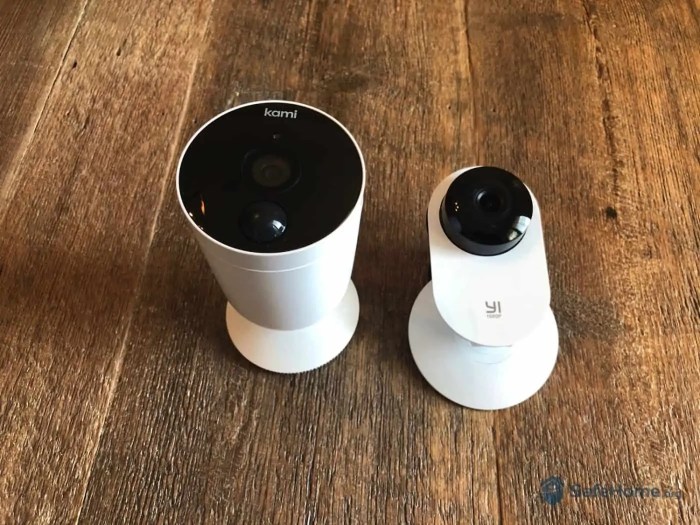
Surveillance cameras play a crucial role in home security by providing visual evidence and deterring criminal activity. When selecting the right cameras, consider the following aspects:

  • Resolution: Look for cameras with at least 1080p resolution for clear images, especially during nighttime.
  • Field of View: Cameras with a wide field of view cover more area, reducing the number of cameras needed.
  • Weather Resistance: Outdoor cameras should be rated for various weather conditions to ensure durability and functionality.
  • Storage Options: Consider whether the camera offers cloud storage or local storage, as this affects how you access recorded footage.

Securing Doors and Windows Against Break-ins

Doors and windows are common entry points for burglars, so reinforcing these areas is essential. Strengthening these weaknesses can significantly lower the chances of unauthorized access. Here are some effective methods:

  • Upgrading Locks: Invest in high-quality deadbolt locks that are harder to pick or force open.
  • Reinforcing Door Frames: Use metal plates to reinforce door frames, making it more difficult for intruders to kick in the door.
  • Window Locks: Ensure that all windows have secure locks and consider additional security measures such as window bars or security film.
  • Install Peepholes or Smart Viewers: These allow you to see who is at your door without opening it, enhancing safety when answering the door.

Community Awareness and Involvement

Home burglary prevention tips

Community engagement is essential for enhancing neighborhood security and preventing crime. When residents come together to look out for one another, it creates a network of vigilance that can significantly deter criminal activities. Implementing community awareness initiatives fosters a sense of belonging and responsibility among homeowners, making it harder for potential burglars to operate unnoticed.Establishing a neighborhood watch program is one of the most effective ways to promote community involvement.

These programs empower residents to actively monitor their surroundings and report any suspicious behaviors. In a successful neighborhood watch, every member plays a crucial role in maintaining safety and security.

Creating Neighborhood Watch Programs

To set up a neighborhood watch program, consider the following steps that can help organize your community effectively:

1. Gather Interested Residents

Start by holding an initial meeting with neighbors who are interested in forming a watch group. Discuss the goals and benefits of the program.

2. Establish Communication Channels

Set up a communication system among members, such as a group chat or a dedicated email list, to share updates and alerts quickly.

3. Coordinate with Local Law Enforcement

Invite local police representatives to your meetings. They can provide guidance, resources, and support to ensure the program is effective.

4. Create a Neighborhood Directory

Compile a list of residents’ contact information and share it among the group, ensuring everyone knows whom to reach out to in case of emergencies.

5. Organize Regular Meetings

Schedule periodic meetings to review the program’s progress, discuss concerns, and provide training on recognizing suspicious activities.

6. Promote Community Events

Hosting social events can strengthen relationships within the neighborhood and encourage more residents to participate in the watch program.

7. Utilize Neighborhood Apps

Consider using apps or online platforms designed for neighborhood watch programs. These tools can facilitate communication and help keep residents informed about local activities. Community engagement is a powerful deterrent against crime, as it creates a visible presence of vigilance that discourages potential offenders. When criminals see that a neighborhood is actively watching out for one another, they are less likely to target it.

Reporting Suspicious Activities

Homeowners must be equipped with the right resources to report any suspicious activities effectively. Proper reporting can lead to quicker responses from law enforcement and potentially prevent a crime from occurring. Here are key practices for homeowners:

Know What to Report

Educate residents on identifying suspicious behaviors, such as unfamiliar individuals loitering, vehicles parked for long periods, or unusual noises coming from nearby homes.

Use Local Reporting Hotlines

Most local law enforcement agencies have hotlines or non-emergency numbers dedicated to reports of suspicious activities. Ensure residents have this information readily available.

Document Information

Encourage homeowners to take note of important details when they witness suspicious activities, including descriptions of individuals, vehicles, and the time of day. This information can be invaluable to law enforcement.

Engage with Community Policing Initiatives

Familiarize yourself with community policing efforts in your area, which often include opportunities for residents to participate in discussions about safety and security.

Leverage Social Media

Use local community groups on social media to report and discuss suspicious activities. These platforms can help spread awareness quickly and effectively within the neighborhood.By fostering a strong sense of community awareness and involvement, neighborhoods can create a safer environment for all residents. When individuals work together, they not only enhance their security but also build connections that strengthen the fabric of their community.

Home Maintenance and Roofing Security

Tips burglary prevention crime sixth division notifications lmpd reports block

Home security is not solely about alarm systems or surveillance cameras; it also involves proactive home maintenance and roofing security measures. Neglecting these aspects can create vulnerabilities that make homes easier targets for burglars. By ensuring that the roof and surrounding areas are well-maintained, homeowners can significantly reduce the risk of unauthorized access.Regular roof maintenance is crucial in preventing easy access to homes.

A well-maintained roof not only protects the house from weather damage but also deters potential intruders. Weak or damaged areas on the roof can provide footholds for burglars, allowing them to gain access through upper-level windows or skylights. Ensuring that the roof is in good condition is, therefore, an essential aspect of overall home security.

Roof and Property Inspection Checklist

To enhance home security through maintenance, homeowners should regularly inspect their properties for vulnerabilities. The following checklist Artikels key areas to focus on during inspections, ensuring that both the roof and exterior landscaping support a secure environment.Start with a thorough inspection of the roof and surrounding areas:

  • Check for loose or missing shingles, which can provide access points for intruders.
  • Inspect gutters and drainage systems to prevent water damage that can weaken structural integrity.
  • Look for overhanging branches that could assist burglars in accessing the roof.
  • Examine attic vents and chimneys for potential weaknesses that could be exploited.

In addition to roof security, enhancing lighting and landscaping plays a significant role in home safety. Proper outdoor lighting can deter intruders by eliminating dark areas around the property, making it harder for them to approach unnoticed. Homeowners should consider the following:

  • Install motion-sensor lights near entry points and along pathways.
  • Use bright lighting in outdoor spaces to illuminate blind spots.
  • Maintain landscaping to avoid creating hiding spots for potential burglars.

Furthermore, keeping walkways clear of debris and ensuring that visibility is high can discourage intruders. A well-lit and maintained exterior not only enhances curb appeal but also acts as a deterrent to crime. Finally, a proactive approach to home maintenance and roofing security can safeguard against break-ins, creating a safer living environment for everyone. By regularly assessing vulnerabilities and enhancing visibility, homeowners can take significant steps toward protecting their homes.

Final Conclusion

In conclusion, implementing these home burglary prevention tips can significantly reduce the risk of break-ins and enhance your overall sense of security. By integrating advanced security measures, engaging with your community, and maintaining your property, you can create a safer environment for yourself and your neighbors. Stay vigilant, proactive, and informed, and you’ll turn your home into a secure haven.

Essential FAQs

What are the best home security systems?

The best home security systems include features such as 24/7 monitoring, mobile alerts, and smart home integration. Popular choices are ADT, Ring, and SimpliSafe.

How important are surveillance cameras for home security?

Surveillance cameras are crucial as they deter potential burglars, provide evidence in case of a break-in, and allow homeowners to monitor their property remotely.

What should I look for in a door lock?

Look for deadbolt locks with a high security rating, materials resistant to tampering, and consider smart locks that offer keyless entry options.

How can I engage my community in preventing crime?

Organize neighborhood watch meetings, share information through social media, and encourage open communication among neighbors about suspicious activities.

What maintenance tasks can enhance home security?

Regularly check and repair door and window locks, trim landscaping that obstructs views, and ensure adequate outdoor lighting to deter intruders.

Home security system installation near me made easy

Home security system installation near me

Home security system installation near me is a crucial aspect of safeguarding your home and loved ones. With rising concerns about safety and property protection, understanding the various components and options available for home security becomes essential. Whether you’re considering a wired or wireless system, this guide delves into everything you need to know to ensure your home is secure.

From exploring the advantages of having a security system installed to evaluating local installation services and their reputations, we’ll provide insights that empower you to make informed decisions. Additionally, the relationship between home security and other home improvements, such as roofing integrity, will also be covered to enhance your overall protection strategy.

Understanding Home Security Systems

Security camera house protect green system near me 3d systems how can isolated companies belongings cctv need installing know white

Home security systems are designed to protect your property and loved ones from potential threats, including burglaries and intrusions. Understanding the components and benefits of these systems can help you make informed decisions about protecting your home. This overview will delve into the key elements of home security systems and the advantages they provide, along with a comparison of wired and wireless options.

Key Components of a Home Security System

A home security system comprises various components that work together to ensure safety and surveillance. These include:

  • Control Panel: Acts as the central hub for the security system, allowing you to manage settings and alarms.
  • Sensors: Detect unauthorized entry, including door/window sensors and motion detectors.
  • Surveillance Cameras: Provide real-time video monitoring and recording to keep an eye on your property.
  • Alarms: Emit loud sounds to deter intruders and alert homeowners and neighbors to potential threats.
  • Security Signage: Displays warnings that a property is protected, often discouraging burglars from attempting to enter.

Benefits of Having a Home Security System Installed

Installing a home security system comes with numerous advantages that enhance safety and peace of mind. These benefits include:

  • Increased Safety: Deters crime, reducing the chances of break-ins and theft.
  • Remote Monitoring: Allows homeowners to check their property in real-time from anywhere using mobile devices and apps.
  • Insurance Premium Discounts: Many insurance companies offer lower premiums for homes equipped with security systems.
  • Emergency Response: Provides quick access to emergency services when alarms are triggered.
  • Home Automation: Integrates with smart home devices for better control over lighting, locks, and thermostats.

Wired vs. Wireless Security Systems

When selecting a security system, understanding the differences between wired and wireless systems is crucial for meeting specific needs.

  • Wired Systems:
    • Generally more reliable with stable connections.
    • Requires professional installation, which can be time-consuming and costly.
    • Less susceptible to hacking, as they rely on physical connections.
    • Installation is permanent, making it challenging to relocate.
  • Wireless Systems:
    • Easy to install and can be relocated without difficulty.
    • Offers flexibility in adding or removing devices as needed.
    • May be susceptible to interference or hacking if not properly secured.
    • Requires batteries for sensors, which will need to be monitored and replaced.

Choosing between wired and wireless depends on personal preferences and specific requirements for your home.

Local Installation Services

Home security system installation near me

Finding a reliable home security system installation service is crucial for ensuring the safety of your property. Local installers not only provide tailored services but also have a better understanding of community-specific needs and regulations. With many options available, it’s important to identify those that have a strong reputation and proven track records in the industry.When selecting a home security system installer, consider their experience, customer reviews, and the range of services they offer.

A reliable installer will guide you through the entire process, from consultation to post-installation support. Here’s how to go about it.

Top-rated Home Security System Installation Services

Identifying top-rated local installation services requires looking at various factors such as customer feedback, certifications, and service offerings. Here’s a brief overview of some of the well-regarded services:

  • ADT Security: A nationally recognized name with local operators, known for their monitoring services and customer service.
  • Vivint: Offers smart home solutions and personalized installations, focusing on innovative technology.
  • Frontpoint: Known for DIY systems, they also provide professional installation with a focus on customer support.

To ensure you choose a reliable installer, follow these steps:

Steps to Select a Reliable Installer

Choosing the right installer involves careful consideration. Follow these steps for a thorough assessment:

  1. Research online reviews and ratings on platforms like Google and Yelp to gauge customer experiences.
  2. Verify the installer’s credentials, including licenses and insurance coverage, to ensure compliance with local regulations.
  3. Ask for referrals from friends or family who have recently installed security systems.
  4. Request quotes from multiple companies to compare pricing and service options.
  5. Schedule consultations to discuss your needs and assess the professionalism of the installer.

Before hiring an installation company, it’s essential to gather relevant information to help you make an informed decision. Here’s a list of important questions to ask potential installers:

Questions to Ask Potential Installation Companies

Gathering information from potential installers can provide insights into their reliability and service quality. Here are questions that can help you evaluate their capabilities:

  • What types of security systems do you specialize in installing?
  • Can you provide references or testimonials from previous clients?
  • What is included in your installation services and what are the additional costs?
  • Do you offer ongoing support or maintenance after installation?
  • How do you handle system upgrades or changes in technology?

“Choosing the right local installer is as important as selecting the security system itself.”

By taking these steps and asking the right questions, you can ensure that you are selecting a reliable home security system installation service that meets your specific needs and provides peace of mind.

Related Home Improvements

A well-rounded approach to home security often extends beyond just installing a security system. The integrity of your home’s roofing plays a crucial role in maintaining overall security and safety. This connection is essential to understand, as a compromised roof can lead to vulnerabilities that may increase the likelihood of potential break-ins or damage. Assessing your roof’s condition is an important step in ensuring that your home remains secure.

A roof that is in good repair not only protects your home from the elements but also enhances the effectiveness of your security features. Identifying the key indicators that suggest your roof needs repair can help maintain your home’s safety and security.

Connection Between Home Security Systems and Roofing Integrity

A robust home security system is designed to protect your property from unauthorized entry and damage. However, if your roof is compromised, it can create opportunities for intruders to access your home more easily. Here are some key points on how roofing integrity and security systems intersect:

  • Structural Weakness: A damaged roof can lead to weakened structural integrity, making it easier for break-ins to occur through compromised entry points.
  • Infiltration Risks: Gaps or holes in the roof may allow not only water damage but also pests and intruders to enter the home, compromising security systems.
  • Visibility Issues: Poor roofing conditions can obstruct camera views or sensor placements, limiting the effectiveness of home security systems.

It is vital to perform regular assessments of your roof to ensure it is in optimal condition. Here are common indicators that suggest your roof may need repairs to maintain optimal security:

Assessing Roof Conditions for Optimal Security

Understanding when your roof needs repairs is critical for enhancing home security. Regular inspections should focus on the following aspects:

  • Missing or Damaged Shingles: Shingles that are cracked, curled, or missing can expose your roof to leaks and further damage.
  • Water Stains or Mold: The presence of water stains on ceilings or walls is often a sign of roof leaks, which can weaken structural integrity.
  • Granule Loss: Excess granule loss in gutters may indicate the shingles are deteriorating, potentially leading to leaks or structural issues.

Regular maintenance and timely repairs ensure that your roof remains strong, thereby supporting the efficiency of any security measures you have in place.

Combining Home Security with Other Home Improvement Projects

Integrating home security upgrades with other home improvement projects can create a comprehensive safety approach. Here are notable benefits of this strategy:

  • Increased Property Value: Home improvements that include security enhancements often increase overall property value, making your investment worthwhile.
  • Enhanced Aesthetic Appeal: A well-maintained home with updated security features tends to have better curb appeal, which can deter potential intruders.
  • Cost Efficiency: Combining projects allows for bundled services from contractors, which may reduce overall costs due to fewer trips and labor hours.

Combining your home security system installation with other necessary home improvements not only maximizes security but also ensures the longevity and value of your property. Maintaining a secure environment for you and your family is a priority that should be reflected in every corner of your home.

Closing Notes

In conclusion, investing in a home security system installation near you not only provides peace of mind but also significantly enhances the safety of your living environment. By understanding the key components, choosing the right professionals, and considering related home improvements, you can create a comprehensive security plan. Remember, a well-secured home is a happy home, so take the necessary steps to protect what matters most to you.

Frequently Asked Questions

What is the average cost of home security system installation?

The average cost can range from $500 to $2,000 depending on the complexity and components of the system.

How long does the installation process typically take?

Installation can take anywhere from a few hours to a full day, depending on the system size and specifics.

Are there any monthly fees associated with home security systems?

Many systems have monthly monitoring fees that typically range from $15 to $60, depending on the service provider.

Can I install a home security system myself?

Yes, many wireless systems are designed for DIY installation, but professional installation can ensure it’s set up correctly.

What should I look for in a security system installer?

Look for licensed, insured professionals with positive reviews and a solid track record in your area.

24/7 Home Monitoring Services For Peace Of Mind

24/7 home monitoring services

Imagine having the ability to keep an eye on your home around the clock, no matter where you are. 24/7 home monitoring services offer just that, blending the latest technology with your everyday life to ensure safety and security. With real-time alerts and remote access to your home’s systems, these services empower homeowners to feel secure and in control, even when they’re miles away.

In essence, 24/7 home monitoring services utilize various advanced technologies, including smart cameras, motion sensors, and alarm systems, to provide continuous surveillance. By integrating these systems with home security features, homeowners can enjoy enhanced protection, knowing that any unusual activity will be promptly detected and addressed.

Overview of 24/7 Home Monitoring Services

24/7 home monitoring services

/7 home monitoring services provide homeowners with a continuous surveillance solution, ensuring the safety and security of their property at all times. These services typically employ a combination of advanced technology and professional monitoring to detect any unusual activity or emergencies, allowing for quick responses to potential threats.The core functionality of 24/7 home monitoring systems relies on a network of interconnected devices that communicate with a central monitoring center.

This often includes security cameras, motion detectors, door/window sensors, and alarm systems, all working together to create a comprehensive security environment. When an alert is triggered, the monitoring center can assess the situation and notify the homeowner or emergency services as necessary, regardless of the time of day.

Technologies Used in Home Monitoring Systems

The effectiveness of home monitoring services is largely attributed to the various technologies integrated into the systems. Understanding these technologies is crucial for homeowners considering such solutions. Key technologies include:

  • Security Cameras: These devices can be both indoor and outdoor, offering live video feeds and recording capabilities. Many modern cameras come with features such as night vision, motion detection, and cloud storage for easy access to footage.
  • Smart Sensors: Sensors placed on doors, windows, and within the home can detect unauthorized entry or unusual movements. They often send instant alerts to homeowners via mobile apps.
  • Alarm Systems: Comprehensive alarm systems can include sirens that are triggered during unauthorized access, alongside alerts sent to monitoring centers for immediate action.
  • Smart Home Integration: Many home monitoring systems now integrate with smart home devices, allowing users to control security settings, lighting, and even thermostats remotely.
  • Mobile Applications: These apps enable homeowners to monitor their homes from anywhere in the world, providing real-time notifications and control over their security systems.

The combination of these technologies creates a robust defense against potential threats, offering peace of mind for homeowners.

Benefits of Continuous Monitoring for Homeowners

Having continuous monitoring in place delivers numerous benefits that enhance the overall safety and security of a home. Homeowners can expect to experience the following advantages:

  • Immediate Emergency Response: 24/7 monitoring ensures that any detected threat is immediately relayed to monitoring professionals, ensuring rapid response times from law enforcement or emergency services.
  • Deterrence Against Crime: Visible security measures, such as cameras and alarm systems, can deter potential intruders from attempting to break in, as they are aware that their actions are being monitored.
  • Peace of Mind: Knowing that the home is being monitored around the clock allows homeowners to relax, whether they are at home or away, reducing anxiety related to potential security breaches.
  • Insurance Benefits: Many insurance companies offer discounts on homeowners’ insurance premiums for properties with professionally monitored security systems, providing financial benefits alongside increased security.
  • Environmental Monitoring: Beyond security, some monitoring systems can detect environmental hazards such as smoke or carbon monoxide, protecting the occupants from potential dangers.

The value of having a reliable home monitoring system is evident in the protection it offers and the peace of mind it brings to homeowners.

Integration of Home Security with Monitoring Services

24/7 home monitoring services

The integration of home security systems with 24/7 monitoring services creates a robust defense against potential threats. By combining these technologies, homeowners can enjoy enhanced security, peace of mind, and the ability to respond quickly to emergencies. This seamless connection ensures that security measures are always active and effectively monitored, providing a strong layer of protection for residential properties.Key features of home security systems that complement monitoring services include real-time alerts, remote access, and surveillance options.

These features work together to ensure that homeowners remain informed about the status of their property at all times, allowing for swift action if necessary.

Features That Enhance Home Security

The following features are vital for maximizing the effectiveness of home security systems when integrated with monitoring services:

  • Real-time Notifications: Home security systems can send instant alerts to homeowners regarding unusual activities, such as unauthorized access or triggered alarms. This immediate feedback allows for prompt responses, ensuring safety.
  • Video Surveillance: High-definition cameras can be strategically placed around the home, providing continuous video feeds. This feature not only deters potential intruders but also allows homeowners and monitoring services to assess situations in real-time.
  • Remote Access: Homeowners can manage their security systems from anywhere via mobile apps. This enables them to monitor live feeds, receive alerts, and control security features from their smartphones.

Integrating smart home devices significantly enhances the security measures of a home. These devices, including smart locks, doorbell cameras, and motion sensors, are designed to work together with monitoring services to offer a comprehensive security solution.

Smart Home Devices and Their Role in Security

Smart home devices can greatly augment traditional security systems. Their compatibility with monitoring services allows for a cohesive security strategy. Here are some examples of how these devices contribute to home security:

  • Smart Locks: These locks provide keyless entry and can be locked or unlocked remotely. Their integration with monitoring services means that homeowners can receive alerts if someone attempts to tamper with the lock.
  • Video Doorbells: These devices allow homeowners to see and communicate with visitors at their door via smartphone. They record activity and can alert homeowners when someone approaches, enhancing security and convenience.
  • Motion Detectors: Equipped with advanced technology, motion sensors can detect movement and trigger alarms or alerts. When integrated with monitoring services, they can provide immediate notifications if unexpected motion is detected.

Several popular home security products seamlessly integrate with 24/7 monitoring services, offering enhanced protection and convenience for homeowners. These products not only serve as deterrents but also provide actionable intelligence in real-time.

Popular Home Security Products

Here are some well-regarded home security products that work effectively with 24/7 monitoring services:

  • Ring Video Doorbell: This device offers HD video, two-way audio, and motion detection, making it an excellent choice for monitoring entry points.
  • Arlo Pro 4 Cameras: Known for their high-resolution video and versatile mounting options, these cameras provide excellent surveillance both indoors and outdoors.
  • August Smart Lock: This smart lock allows for keyless entry and can be controlled remotely, providing peace of mind and security.
  • Nest Secure Alarm System: Featuring professional monitoring capabilities, this system comes with door/window sensors and a variety of smart home integrations.

By integrating home security systems with monitoring services and utilizing smart devices, homeowners can significantly elevate their security measures. These advancements not only protect their property but also contribute to a smarter, more connected home environment.

Importance of Home Roofing in Relation to Monitoring Services

The roof of a home serves as the first line of defense against environmental elements. A well-maintained roof not only protects the interior structure but also enhances overall home security by preventing unauthorized access and mitigating potential damage from harsh weather conditions. Recognizing the significance of roofing in relation to home monitoring services is essential for homeowners seeking to ensure comprehensive protection for their property.In terms of home monitoring services, the condition of the roof directly impacts the effectiveness of these systems.

A compromised roof can lead to leaks and structural damage, which may go unnoticed without vigilant monitoring. Furthermore, weather monitoring systems that are integrated into home security setups provide real-time alerts regarding severe weather conditions that could threaten the integrity of the roof. Such integration allows homeowners to take proactive measures that safeguard their homes and maintain the effectiveness of their security systems.

Weather Monitoring and Alerts Integration

Integrating weather monitoring capabilities into home monitoring services offers significant advantages for protecting roofing structures. These systems can notify homeowners of impending storms, extreme temperatures, or high winds, allowing them to prepare adequately. The importance of these alerts lies in their capacity to trigger preventive actions that can preserve both the roof and the overall security of the home.For instance, homeowners can benefit from alerts that provide timely information about:

  • Severe Weather Alerts: Notifications about storms, hail, or heavy rains that could lead to roofing damage.
  • Temperature Extremes: Alerts about extreme heat or cold that can affect roofing materials, potentially leading to cracks or warping.
  • Wind Speeds: Warnings regarding high winds that may dislodge roofing materials or compromise structural integrity.

By leveraging these alerts, homeowners can implement necessary maintenance or repairs before damage occurs, thus ensuring the roof continues to safeguard their home.

Identifying Roofing Issues Impacting Home Security

Regular inspection of the roof is vital in maintaining its integrity and ensuring the security of the home. Homeowners should be vigilant in identifying potential roofing issues that could compromise safety and security. Here are several key signs to monitor:Understanding how to spot these issues can prevent minor problems from escalating into costly repairs that threaten home security:

  • Cracked or Missing Shingles: Look for any visible damage or absence of shingles that may expose the roof to leaks.
  • Water Stains: Check the ceilings and walls for water stains, which indicate possible leaks originating from the roof.
  • Moss or Algae Growth: Presence of moss or algae can indicate trapped moisture and may weaken roofing materials over time.
  • Flashing Issues: Inspect the flashing around chimneys and vents for signs of rust or damage, which can allow water intrusion.
  • Debris Accumulation: Ensure that gutters and roof surfaces are free of debris, which can trap moisture and cause deterioration.

By being proactive in identifying these issues, homeowners can ensure their roofs remain in good condition, directly influencing the overall effectiveness of their home security and monitoring systems.

Final Summary

In conclusion, 24/7 home monitoring services not only protect your home but also offer peace of mind for you and your loved ones. By combining innovative technology with essential security measures, these services create a safe environment, allowing homeowners to focus on what truly matters. As you consider the investment in home monitoring, remember that it’s about safeguarding your sanctuary and creating a sense of security that lasts.

Helpful Answers

What are 24/7 home monitoring services?

These services provide continuous surveillance of your home using various technologies to ensure security and safety.

How do I access my home monitoring system remotely?

Most systems can be accessed via smartphone apps or web interfaces that allow you to view live feeds and receive alerts.

Are 24/7 home monitoring services expensive?

Costs can vary based on the technology used and the level of service, but many options are available to fit different budgets.

Can I integrate my smart devices with monitoring services?

Yes, many home monitoring systems are designed to work with smart devices to enhance overall security.

What should I do if my monitoring system detects a problem?

Most systems will notify you immediately, and you can choose to alert local authorities or take action yourself based on the situation.

Roof inspection checklist for homeowners made easy

Roof inspection checklist for homeowners

Roof inspection checklist for homeowners is a vital resource that every property owner should have at their fingertips. Regular inspections not only preserve the integrity of your home but also elevate its value and security. With various roofing materials and seasonal challenges, understanding what to look for during roof inspections is crucial for maintaining a safe and comfortable living environment.

This guide will walk you through essential components to include in your checklist, offer effective seasonal maintenance tips, and highlight the connection between a well-maintained roof and home security. From shingles to drainage systems, we’ll cover all the bases to ensure you’re well-prepared for any roofing challenge.

Roof Inspection Checklist Components

Conducting a roof inspection is a vital practice for homeowners, ensuring the longevity and safety of their homes. A well-thought-out checklist can simplify the process, allowing homeowners to systematically assess their roofs. By focusing on essential components, homeowners can identify potential issues before they escalate into costly repairs.Different roofing materials play a significant role in the inspection process, as each type has unique characteristics and maintenance requirements.

Understanding these differences allows homeowners to tailor their inspections more effectively, ensuring no critical area is overlooked.

Essential Elements of a Roof Inspection Checklist

A comprehensive roof inspection checklist should encompass various aspects to ensure a thorough evaluation. This includes checking for visible damage, assessing drainage systems, and evaluating the overall condition of roofing materials. The following components are crucial for an effective roof inspection:

  • Visual Inspection: Begin with a thorough visual assessment of the roof from the ground and, if safe, from a ladder. Look for missing or damaged shingles, tiles, or other roofing materials.
  • Gutters and Downspouts: Ensure gutters are free of debris and properly directing water away from the foundation. Clogged gutters can lead to water damage.
  • Flashing and Seals: Check around chimneys, vents, and skylights for intact flashing and seals. Deterioration here can lead to leaks.
  • Attic Inspection: Look inside the attic for signs of moisture or leaks, which may indicate roof issues.
  • Roof Age and Material: Note the age and type of roofing material, as different materials have varying lifespans and maintenance needs.

Significance of Different Roofing Materials

The roofing material significantly influences the inspection process, as various materials come with distinct characteristics. For instance, asphalt shingles typically last 15-30 years, while metal roofs can last 50 years or more. It is essential to consider the following when inspecting different roofing materials:

  • Asphalt Shingles: Check for curling, cracking, or granule loss, indicating the need for replacement.
  • Wood Shakes: Look for signs of rot or insect damage, as these materials are more susceptible to decay.
  • Metal Roofing: Inspect for rust, dents, and loose seams, as these can compromise the roof’s integrity.
  • Tile and Slate: Ensure tiles are not cracked or broken; these materials can be heavier and may require specialized support.

Method for Checking the Condition of Shingles or Tiles

Inspecting shingles or tiles is a critical aspect of roof maintenance. Homeowners should approach this task systematically to assess their condition adequately. The following method Artikels how to check shingles or tiles effectively:

1. Visual Inspection

Start from the ground to evaluate the overall appearance of the roof. Check for missing, cracked, or curling shingles.

2. Use a Ladder Safely

If comfortable, use a ladder to get a closer look at the roof surface. Avoid stepping directly on shingles to prevent damage.

3. Check for Granule Loss

Inspect the gutters for granules, which may indicate shingle wear. Less granulation can lead to reduced lifespan.

4. Assess the Edges

Pay special attention to the edges of shingles or tiles. Damage often begins here, leading to leaks if not addressed.

5. Look for Algae or Moss

While not immediately harmful, algae or moss can retain moisture and lead to shingle deterioration over time.

6. Evaluate Flashing

Ensure that flashing is intact and properly sealed, as this is a common leak point.By following this method, homeowners can effectively assess the condition of their roofing materials, allowing for timely repairs and maintenance.

Seasonal Roof Maintenance Tips

Roof inspection checklist for homeowners

Maintaining your roof throughout the changing seasons is essential to prolong its lifespan and ensure its effectiveness in protecting your home. Each season brings specific challenges that can affect your roof’s condition, and understanding how to prepare for these changes can save you from costly repairs down the road. By adopting a proactive maintenance approach, homeowners can preserve the integrity of their roofs and prevent potential issues from escalating.During the various seasons, there are practical strategies to maintain your roof effectively.

Preventative measures, such as regular inspections and timely repairs, can significantly reduce the risk of water damage, leaks, and other roof-related problems. One vital aspect of roof maintenance is assessing the roof drainage systems, which play a crucial role in keeping your roof in good shape. Poor drainage can lead to water pooling, causing leaks and structural damage.

Winter Roof Maintenance

As winter approaches, it is vital to prepare your roof for snow and ice accumulation. Ice dams can form on the edges of the roof, trapping water and leading to leaks inside your home. Here are some strategies for maintaining your roof during the winter months:

  • Remove snow buildup regularly to prevent ice dams from forming.
  • Inspect and clean gutters to ensure proper drainage before snow falls.
  • Check for any loose shingles or damaged flashing that may need to be repaired.

Spring Roof Maintenance

Spring is the perfect time to tackle roof maintenance tasks that may have been neglected during the winter. As the weather warms up, it’s essential to inspect for damage caused by winter storms. Consider the following tips:

  • Conduct a thorough inspection of the roof for missing or damaged shingles.
  • Clear debris from gutters and downspouts to prevent water pooling.
  • Examine the flashing around chimneys and vents for any signs of wear.

Summer Roof Maintenance

Summer’s warm weather provides an excellent opportunity for homeowners to perform more in-depth roof maintenance. High temperatures can lead to roof materials expanding, which may create vulnerabilities. Here’s how to maintain your roof during summer:

  • Inspect for any signs of blistering or cracking in roofing materials.
  • Ensure that tree branches are trimmed back to prevent damage from falling limbs.
  • Check attic insulation and ventilation to reduce heat buildup and moisture issues.

Fall Roof Maintenance

As autumn arrives, preparing your roof for the impending winter is crucial. Leaves can clog gutters and lead to drainage issues if not addressed. Here are some effective fall maintenance tips:

  • Clean gutters and downspouts to ensure clear water flow.
  • Inspect roof shingles for signs of wear and replace any damaged ones.
  • Perform a final check on flashing and sealant around vents and chimneys.

Regular roof maintenance throughout the seasons not only extends the life of your roof but also enhances your home’s overall value and safety.

Home Security Considerations Related to Roofing

A well-maintained roof is more than just a protective covering for your home; it plays a crucial role in your overall security. An intact roof not only shields your home from the elements but also deters potential intruders. Recognizing the relationship between roof maintenance and home security is essential for homeowners looking to protect their families and belongings.Maintaining your roof contributes significantly to the security of your home.

When roofs are in poor condition, they may have vulnerabilities that can be exploited by unauthorized individuals. For example, broken shingles, loose tiles, or gaps can serve as entry points. Regular roof inspections help identify and rectify these issues before they compromise your home’s security. By ensuring that your roof is secure, you minimize the risk of break-ins and theft, giving you peace of mind.

Secure Roofing Elements and Potential Vulnerabilities

Understanding what makes a roof secure can help homeowners pinpoint weaknesses that could jeopardize their safety. Below is a checklist comparing secure roofing elements against common vulnerabilities to consider during inspections.To effectively assess your roof’s security, consider the following aspects:

Secure Roofing Elements Potential Vulnerabilities
Sturdy shingles or tiles that are in good condition Cracked or missing shingles that can expose the roof decking
Well-sealed flashing around chimneys and vents Loose or corroded flashing that can allow water and pests to enter
Secure roof access points, like hatches or ladders Accessible ladders or tree branches that provide easy entry
Proper insulation and ventilation that prevent moisture build-up Moisture damage leading to weakened roof structure
Regular inspections and maintenance logs Neglected maintenance that results in undetected damage

These elements highlight the importance of regular roof inspections. By ensuring that secure roofing features are intact and addressing any vulnerabilities, homeowners can significantly enhance the safety of their homes against unauthorized access and weather-related damage.

Ending Remarks

Roof inspection checklist for homeowners

In summary, having a comprehensive roof inspection checklist for homeowners is essential for sustaining your home’s value and safety. By understanding both the preventive measures needed throughout the seasons and the unique characteristics of your roofing materials, you can significantly reduce the risk of costly repairs and enhance your home’s security. Regular inspections empower homeowners to take proactive steps in maintaining their roofs, ultimately leading to a more secure and resilient living space.

Clarifying Questions

How often should I inspect my roof?

It is recommended to inspect your roof at least twice a year, ideally in spring and fall, as well as after severe weather events.

What should I do if I find damage during an inspection?

If you find damage, promptly contact a professional roofer to assess the situation and recommend necessary repairs.

Can I do a roof inspection myself?

Yes, homeowners can perform basic inspections, but it’s advisable to have a professional check for more in-depth issues, especially on steep roofs.

What are signs of roof wear and tear?

Signs include missing shingles, sagging areas, water stains on ceilings, and granules in gutters.

How does a roof affect home insurance?

A well-maintained roof can lower insurance premiums and is crucial for claims related to roof damage.

Low-maintenance roofing options for hassle-free homes

Low-maintenance roofing options

Low-maintenance roofing options are becoming increasingly popular among homeowners looking to save time and money on upkeep. With a variety of materials available, such as metal and synthetic options, these roofs not only promise durability but also provide a stylish edge to your home. Whether you’re considering a new roof or an upgrade, understanding the benefits and drawbacks of these materials can lead to a more informed choice that fits your lifestyle and budget.

In this guide, we’ll explore various low-maintenance roofing materials, their cost implications, and how they can be integrated with home security features, ensuring that your investment is both practical and protective.

Overview of Low-Maintenance Roofing Materials

When it comes to choosing a roofing option that requires minimal upkeep, several materials stand out in the market. Low-maintenance roofing not only saves time and money but also enhances the longevity of your home’s exterior. This overview will explore various low-maintenance roofing materials, their advantages and disadvantages, and how climate can influence the best choices for your home.One of the most popular low-maintenance roofing materials is metal roofing.

Metal roofs are known for their durability and resistance to harsh weather conditions. They can last 50 years or more with proper installation and are available in various styles, including panels and shingles. Another common choice is asphalt shingles, which are lightweight and relatively affordable. They generally offer a lifespan of 15-30 years, depending on the quality and climate. Lastly, synthetic roofing materials, such as rubber and composite shingles, can mimic the appearance of traditional materials while providing enhanced durability and lower maintenance needs.

Metal Roofing

Metal roofing is revered for its exceptional longevity and minimal maintenance requirements. It comes in various materials, including steel, aluminum, and copper, and is available in numerous styles and colors.

  • Advantages: Metal roofs are highly resistant to wind, fire, and mildew. They can reflect sunlight, which helps keep homes cooler, potentially lowering energy costs.
  • Disadvantages: Initial costs can be higher than traditional roofing materials. Additionally, certain metal roofs may be prone to dents from hail and can be noisy during rain or hailstorms.

Asphalt Shingles

Asphalt shingles are one of the most widely used roofing materials in North America due to their affordability and ease of installation.

  • Advantages: Available in a variety of styles and colors, asphalt shingles are relatively inexpensive and can be installed quickly. They also provide decent protection against various weather conditions.
  • Disadvantages: The lifespan of asphalt shingles is shorter compared to metal roofing, generally requiring replacement every 15-30 years. They are also more susceptible to mold and moss growth in humid climates.

Synthetic Roofing

Synthetic roofing materials, including rubber and composite options, offer innovative alternatives to traditional roofing styles.

  • Advantages: These materials can mimic the look of wood or slate without the associated maintenance. They are typically lightweight, resistant to UV damage, and designed to last decades with little upkeep.
  • Disadvantages: While synthetic roofing can be more durable, it often comes at a premium price compared to asphalt shingles. Some synthetic materials may not perform well under extreme temperature variations.

Climate Considerations

The local climate plays a crucial role in determining the best low-maintenance roofing option for a home.

  • In areas with heavy rainfall, metal roofing’s water-shedding capabilities can prevent leaks and damage.
  • In hot climates, materials such as metal can help keep homes cooler, reducing cooling costs.
  • Conversely, regions with high winds may require roofing systems that can withstand storms, making the weight and installation quality critical.

Choosing the right roofing material not only impacts maintenance but also influences energy efficiency and the overall aesthetic appeal of your home.

Cost Implications of Low-Maintenance Roofing

Low-maintenance roofing options

Investing in low-maintenance roofing options often presents significant long-term financial advantages. While the initial outlay might seem higher compared to traditional roofing materials, the cumulative savings from reduced repair costs and prolonged lifespan can lead to substantial economic benefits over time. This analysis will break down the cost implications associated with low-maintenance roofing, highlighting the long-term cost benefits, potential savings on repairs, and a comparison of installation costs relative to ongoing maintenance expenses.

Long-Term Cost Benefits of Low-Maintenance Roofing

Choosing low-maintenance roofing can significantly reduce overall expenses related to home maintenance. While these materials may have a higher initial cost, their durability and resilience translate into fewer repairs and replacements over the life of the roof. For instance, materials like metal and slate can last for over 50 years, greatly outpacing traditional asphalt shingles, which typically last around 20 years.

The following points Artikel key financial aspects that contribute to the cost-effectiveness of low-maintenance roofing:

  • Longevity: Low-maintenance roofs can last significantly longer, reducing the frequency and cost of replacement.
  • Fewer Repairs: These roofs typically require less frequent repairs due to their durable nature, leading to lower annual maintenance costs.
  • Energy Efficiency: Many low-maintenance roofing materials provide better insulation and reflectivity, potentially lowering energy bills.
  • Increased Home Value: Investing in durable materials can enhance property resale value, appealing to prospective buyers.

Potential Savings on Repairs and Replacements

Different roofing materials offer varying levels of maintenance and repair savings. For example, fiber cement and metal roofing options are known for their resistance to weather damage and pests, reducing the need for costly repairs. In contrast, traditional roofing materials may necessitate more frequent inspections and repairs, leading to higher cumulative costs.

The following table illustrates estimated costs associated with common roofing materials over a 30-year period, factoring in installation and average maintenance costs:

Roofing Material Initial Installation Cost Estimated Maintenance Costs Over 30 Years Total Cost Over 30 Years
Asphalt Shingles $7,000 $15,000 $22,000
Metal Roofing $12,000 $5,000 $17,000
Slate Roofing $24,000 $2,000 $26,000
Tile Roofing $18,000 $3,000 $21,000

This financial breakdown highlights that although initial installation costs for low-maintenance materials like metal and slate may be higher, the long-term savings on maintenance and repairs can lead to lower total expenses over the roof’s lifespan.

Installation Costs Versus Maintenance Costs

When comparing the initial installation costs of low-maintenance roofing materials with their maintenance expenses, it becomes evident that the former can offset the latter in the long run. For instance, while asphalt shingles may be cheaper to install, the recurring maintenance and replacement costs can surpass those of more durable options. The following insights underscore the importance of considering long-term economics in roofing choices:

  • Upfront Investment: Low-maintenance materials require a higher initial investment, but this is balanced by lower maintenance costs.
  • Long-Term Planning: Homeowners should evaluate not just the immediate costs, but also the projected lifespan and associated maintenance of each roofing option.
  • Budgeting for the Future: Investing in durable roofing materials can lead to peace of mind and decreased financial burdens in the future.

Ultimately, understanding the cost implications of low-maintenance roofing involves recognizing the trade-offs between initial expenditures and long-term savings, guiding homeowners to make informed choices that benefit their finances and property value in the long run.

Integration of Low-Maintenance Roofing with Home Security

Low-maintenance roofing options

Low-maintenance roofing options not only provide a reliable shelter for your home but also enhance its security features. The right roofing materials can contribute significantly to the safety and durability of a home, acting as a deterrent against potential threats. Understanding how these materials interact with various home security aspects is essential for homeowners looking to make informed decisions.Certain roofing materials inherently offer enhanced security features.

For example, metal roofing is known for its durability and resistance to impacts, making it difficult for intruders to breach. Furthermore, materials like slate or clay tiles are not only aesthetically pleasing but also offer heightened protection against forced entry. They are heavy and hard to remove, creating a reliable barrier. Low-maintenance roofs can also provide better resistance against weather elements, reducing the likelihood of damage that can lead to vulnerabilities in your home’s security.

Considerations for Selecting Low-Maintenance and Secure Roofing

When choosing roofing materials that merge low-maintenance needs with security features, several factors should be evaluated. Here’s a checklist designed for homeowners to ensure they select the best options:

  • Material Strength: Ensure the chosen roofing material can withstand impact and resist breakage.
  • Fire Resistance: Look for materials that are rated for fire resistance to prevent the spread of flames.
  • Weather Resistance: Choose roofing that can endure heavy winds, hail, and severe weather conditions.
  • Weight of Material: Heavier materials can be more difficult for intruders to remove, adding an extra layer of security.
  • Maintenance Requirements: Opt for roofing that requires minimal upkeep, reducing the chance of neglect leading to vulnerabilities.
  • Installation Quality: Ensure a professional installation to prevent gaps and weaknesses that could be exploited.

Incorporating these considerations can foster a safer home environment while also minimizing the demands of maintenance over time. Each of these points plays a critical role in ensuring that the roofing system not only serves its primary function of protection from the elements but also acts as a crucial first line of defense against potential security threats.

“Investing in low-maintenance roofing that emphasizes security can lead to long-term peace of mind for homeowners.”

Final Conclusion

In summary, low-maintenance roofing options offer an ideal solution for those seeking to minimize home maintenance while maximizing safety and aesthetics. With an array of materials to choose from, the right roofing choice can yield long-term benefits and peace of mind. So, whether you are looking for durability or energy efficiency, these roofing solutions pave the way for a worry-free home experience.

Commonly Asked Questions

What are the most common low-maintenance roofing materials?

The most common low-maintenance roofing materials include metal, asphalt shingles, and synthetic roofing products, each offering varying levels of durability and aesthetics.

How do low-maintenance roofs save money in the long run?

Low-maintenance roofs can save money by reducing the frequency of repairs and replacements, leading to lower overall maintenance costs over time.

Can low-maintenance roofing improve home security?

Yes, certain low-maintenance roofing materials can enhance home security by being more resistant to damage and break-ins compared to traditional roofing options.

Are low-maintenance roofing options environmentally friendly?

Many low-maintenance roofing materials are designed to be energy-efficient and can contribute to a home’s overall sustainability, depending on the material chosen.

What should I consider when choosing low-maintenance roofing?

Consider factors such as climate, initial costs, long-term savings, aesthetics, and how the material integrates with your home security needs when selecting low-maintenance roofing.

Home security systems with no monthly fee offer peace of mind

Budget-Friendly Home Security Systems With No Monthly Fee – WalletGenius

Home security systems with no monthly fee set the stage for a fascinating exploration of how you can protect your home without the burden of ongoing costs. With a variety of options available, homeowners can now choose systems that fit their needs and budgets, providing a sense of safety without the commitment of monthly payments. From DIY setups to advanced technology, the landscape of home security is evolving, allowing for more control and flexibility than ever before.

As we dive deeper into this topic, we’ll look at the different types of no-monthly-fee systems, compare DIY versus professional installations, and examine the technology that powers these solutions. Additionally, we’ll discuss the financial and safety advantages of going this route, while considering how integrating security features with home roofing can further enhance the effectiveness of your security measures.

Home Security Systems Overview

Home security systems play a crucial role in protecting residences from intrusions, theft, and other security threats. Many homeowners are now turning to systems that do not require a monthly fee, allowing them to save on expenses while still ensuring their safety. This overview will delve into the various types of home security systems available without a monthly fee, highlighting the distinctions between DIY setups and professionally installed ones, as well as discussing the technologies that power these modern solutions.

Types of Home Security Systems Without Monthly Fees

There are several home security systems that homeowners can choose from that do not involve recurring fees. These include:

  • DIY Security Systems: These systems are designed for self-installation and often come with user-friendly components like cameras, sensors, and alarms. Brands like Ring and Arlo provide equipment that can be set up without professional help.
  • Self-Monitored Systems: Systems such as SimpliSafe and Blink allow homeowners to monitor their properties through mobile apps. They provide notifications and alerts directly to users but do not offer professional monitoring services.
  • Smart Home Systems: Integrating with smart home devices, systems like Google Nest can be configured for security purposes. They harness existing smart technology to ensure safety without monthly costs.

Comparison of DIY Home Security Systems and Professionally Installed Systems

When choosing between a DIY home security system and a professionally installed option, several factors must be considered, including cost, convenience, and effectiveness.

  • Cost: DIY systems usually involve a one-time purchase of equipment, while professional installations often include ongoing monitoring fees, which can add up over time.
  • Installation: DIY systems can be set up at the homeowner’s convenience, whereas professionally installed systems provide the benefit of expert setup, potentially offering more reliability.
  • Customization: DIY systems offer flexibility, allowing homeowners to select components based on their specific needs, while professional systems may have limited customization options based on the package chosen.
  • Monitoring: Self-monitored systems place the responsibility on the homeowner to respond to alerts, while professionally installed systems typically come with 24/7 monitoring services.

Technology Used in Modern Home Security Systems

The technology in modern home security systems without monthly fees has evolved significantly, offering advanced features that enhance security and convenience.

“Modern home security systems leverage Internet of Things (IoT) technology, allowing for seamless integration and control.”

Some of the key technologies include:

  • Smart Cameras: Equipped with features like motion detection, night vision, and two-way audio, smart cameras allow homeowners to monitor their property from anywhere.
  • Wireless Sensors: These detect unauthorized entry and can be placed on doors and windows. They communicate with the central hub wirelessly, allowing for flexible installation.
  • Smart Home Automation: Integration with devices such as smart locks, lights, and thermostats can enhance security by enabling remote control and scheduling.
  • Mobile Apps: Most systems now come with mobile applications that allow for real-time alerts and remote management of security devices.

Advantages of No Monthly Fee Home Security Systems

Choosing a home security system without monthly fees can lead to several significant benefits that enhance both financial savings and security peace of mind. Homeowners can enjoy top-notch protection without the burden of continuous subscription costs, allowing them to invest in their security system without ongoing financial commitment. One of the primary advantages of these systems is the immediate financial savings that come from eliminating monthly fees.

Homeowners can allocate those funds elsewhere, whether it’s for upgrades to the security system itself or other essential household expenses. This approach not only saves money but can also lead to enhanced home safety with a more robust setup.

Financial Benefits of No Monthly Fees

Investing in a home security system without monthly fees offers clear financial advantages. Homeowners can experience immediate cost savings and long-term financial freedom. Here are some important points to consider:

  • One-time Payment: Many no-monthly-fee systems require only a one-time upfront cost, which can be significantly less than the total of years of subscription fees for traditional systems.
  • No Long-term Contracts: Homeowners are not locked into multi-year contracts, providing the freedom to change their security setup without penalties.
  • Investment in Security Hardware: The money saved from monthly fees can be reinvested into higher-quality hardware or additional security features, such as cameras or smart home integrations, enhancing overall protection.

Increased Home Safety Without Ongoing Costs

No monthly fee home security systems not only save money but can also contribute to a safer living environment. The absence of ongoing costs allows homeowners to feel more secure in their investment. Here’s how these systems enhance safety:

  • Immediate Access to Security Features: Homeowners can activate and utilize security features immediately without waiting for subscription approvals or payments.
  • 24/7 Protection: Many systems provide round-the-clock monitoring options, ensuring that the home is protected at all times without incurring extra charges.
  • Customized Safety Solutions: Without the constraints of a contract, homeowners can tailor their security solutions to fit their unique needs, focusing on areas of their home that require more attention.

Flexibility and Control Over Security Measures

Home security systems with no monthly fees offer unparalleled flexibility and control to homeowners. This autonomy allows individuals to manage their security measures in a way that fits their lifestyle and preferences. Key aspects include:

  • Freedom to Change Services: Homeowners can easily switch or upgrade their security features without being tied to a service provider’s constraints.
  • Personalized Monitoring Options: Different monitoring options can be chosen based on the homeowner’s preference, whether through self-monitoring or choosing to hire an outside service when necessary.
  • Adaptability to Lifestyle Changes: As families grow or security needs change, homeowners can adapt their systems without worrying about additional fees or penalties associated with changing their subscription.

Integration with Home Roofing and Other Features

Best No Monthly Fee Home Security Systems in 2025

Home security systems can significantly enhance the safety of a house when integrated with structural elements like roofing. With advancements in technology, combining roofing materials with security features creates an all-encompassing protective layer for homes. This integration not only secures the structure but also offers functional benefits that homeowners can appreciate.Integrating home security systems with roofing materials involves using specialized products that contribute to both protection and aesthetics.

For instance, certain roofing materials can be designed to accommodate security cameras, motion detectors, or even alarm systems. These features can be seamlessly incorporated into the design of the home, reducing the need for external fixtures that could compromise the visual appeal of the property.

Enhancing Security Through Physical Barriers

Physical barriers created by roofing can significantly enhance the overall security of a home. A well-maintained roof not only protects against weather elements but can also act as a deterrent against intruders. The following strategies highlight how roofing contributes to home security:

  • Secure Roof Design: A sloped roof with fewer accessible surfaces makes it harder for intruders to find footholds, thereby reducing the likelihood of unauthorized access.
  • Installation of Security Cameras: Strategically placed cameras within the roofline or mounted on secure eaves can provide excellent surveillance coverage while remaining discreet.
  • Use of Durable Materials: Choosing strong, resilient roofing materials can prevent break-ins through the roof, which is often overlooked as an entry point.
  • Integrating Alarms with Roof Sensors: Advanced alarm systems can include sensors that detect movement on the roof, alerting homeowners to potential threats before they reach ground level.

Routine roof maintenance plays a crucial role in the effectiveness of home security systems. A well-maintained roof ensures that security features remain operational, preventing vulnerabilities that could be exploited by intruders. Neglecting roofing can lead to deteriorated materials, making it easier for intruders to penetrate. Additionally, regular inspections and repairs can identify potential issues that may compromise both the security and integrity of the home.

For example, a damaged roof might harbor weak spots that could be exploited, while a secure roof supports the functionality of integrated security systems, keeping them effective over time.

“Quality roofing not only protects your home from the elements but also serves as a physical barrier against potential threats.”

Last Word

Budget-Friendly Home Security Systems With No Monthly Fee – WalletGenius

In conclusion, home security systems with no monthly fee present a practical option for homeowners looking to enhance their safety without incurring extra costs. By understanding the various types of systems available and their benefits, you can make informed decisions that suit your lifestyle and needs. Whether you opt for a DIY system or choose to integrate security features with your roofing, the opportunity to maintain control over your home security is now more achievable than ever.

Detailed FAQs

What types of home security systems are available without a monthly fee?

There are various types, including DIY systems, smart cameras, and motion sensors that don’t require subscriptions.

How does a DIY home security system compare to a professionally installed system?

DIY systems are typically more affordable and allow for customization, while professional systems may offer expert installation and monitoring.

Are there any hidden costs with no monthly fee systems?

While there are no subscription fees, there may be initial costs for equipment and potential maintenance expenses.

Can I integrate my security system with other home features?

Yes, many no-monthly-fee systems can be integrated with smart home devices and physical security measures like roofing.

What technology is used in modern no-monthly-fee security systems?

These systems often utilize wireless technology, smart sensors, and mobile applications for real-time monitoring and alerts.

Fire-resistant roofing materials for safer homes

Fire-resistant roofing materials

Fire-resistant roofing materials are essential in enhancing the safety and security of homes. As wildfires and extreme weather events become more prevalent, homeowners are increasingly looking for ways to protect their properties. This guide dives into the various types of fire-resistant roofing options available, their benefits, and installation processes, making it easier for you to make informed choices.

From metal roofs to clay tiles and synthetic materials, the options are diverse and engineered to withstand flames and heat, offering peace of mind for homeowners. Not only do these materials provide a crucial barrier against fire, but they can also positively influence home insurance premiums and serve as a deterrent against fire-related damage.

Types of Fire-resistant Roofing Materials

Roofing resistant restoration roof

Fire-resistant roofing materials play a crucial role in enhancing the safety and longevity of a structure. These materials are specially designed to withstand high temperatures and prevent the spread of flames, making them essential in areas prone to wildfires or in buildings that require higher safety standards. Understanding the various types of fire-resistant roofing options available can help homeowners and builders make informed decisions that align with safety regulations and aesthetic preferences.The market offers a diverse range of fire-resistant roofing materials, each with unique properties and benefits.

These materials not only provide protection against fire but can also contribute to energy efficiency and aesthetic appeal. Below, we explore some of the most common types of fire-resistant roofing materials, detailing their characteristics, advantages, and installation processes.

Asphalt Shingles

Asphalt shingles are one of the most widely used roofing materials across North America, known for their affordability and ease of installation. Fire-resistant asphalt shingles are treated with fire retardants and are rated according to the ASTM E108 standard.

  • Properties: These shingles can withstand flames for a prolonged period, helping to slow down fire spread. They come in various styles and colors, allowing for aesthetic customization.
  • Benefits: Their lightweight nature simplifies installation and repairs, while their affordability makes them a popular choice for budget-conscious homeowners.
  • Installation Process: Typically, asphalt shingles are applied over a solid deck and require underlayment for added fire resistance. Proper overlap and nailing techniques are crucial for ensuring durability against weather elements.

Metal Roofing

Metal roofing has gained popularity for its durability and longevity. Materials such as steel, aluminum, and copper are commonly used, and many manufacturers offer products with high fire ratings.

  • Properties: Metal roofs are non-combustible and can reflect heat, enhancing energy efficiency. They are resistant to rust and corrosion, ensuring a long lifespan.
  • Benefits: These roofs can last 40-70 years, significantly reducing replacement costs. They are also lightweight, which can reduce structural load.
  • Installation Process: Metal roofing panels are typically installed over a solid substrate, with the seams interlocking to enhance waterproofing and fire resistance. Proper insulation and ventilation are imperative to prevent condensation under the roofing.

Concrete and Clay Tiles

Concrete and clay tiles are known for their impressive durability and classic aesthetic. These materials are naturally fire-resistant due to their composition.

  • Properties: Both concrete and clay tiles can withstand extreme temperatures and are not prone to rotting, insect damage, or fire.
  • Benefits: They provide excellent insulation, helping to maintain indoor temperatures. Their distinctive style can enhance the curb appeal of a home.
  • Installation Process: Installing tile roofs often requires a more complex framework to support the weight of the tiles. Tiles are laid in overlapping patterns, requiring precise alignment to ensure proper drainage and fire resistance.

Modified Bitumen

Modified bitumen is a type of flat roofing system that incorporates asphalt with modifiers, enhancing its performance.

  • Properties: It is highly resistant to fire, UV radiation, and extreme weather conditions. Modified bitumen is also flexible, allowing it to expand and contract with temperature changes.
  • Benefits: This material is ideal for commercial buildings and provides a robust barrier against moisture and fire.
  • Installation Process: Modified bitumen is typically installed using heat or cold adhesive methods, requiring careful layering to ensure a watertight seal and optimal fire resistance.

“Selecting the right fire-resistant roofing material is essential for improving safety and enhancing the overall value of your property.”

Benefits of Fire-resistant Roofing in Home Security

Fire-resistant roofing materials

Fire-resistant roofing materials play a crucial role in enhancing the overall security of a home. By providing a protective barrier against flames and extreme heat, these materials significantly reduce the risk of fire damage. In addition to safeguarding the structure, fire-resistant roofs can also have positive implications for your homeowner’s insurance and offer vital protection during wildfire seasons or severe weather events.

Impact on Home Insurance Premiums

Installing fire-resistant roofing can lead to lower home insurance premiums. Insurance providers typically reward homeowners who take preventive measures to protect their property from fire hazards. This not only reflects a reduced risk for the insurer but also translates to tangible financial benefits for the homeowner. Many insurers may offer discounts ranging from 5% to 30% on premiums for homes equipped with fire-resistant roofing solutions.

Protection Against Wildfires and Extreme Weather Events

Fire-resistant roofing materials are particularly beneficial for homes located in areas prone to wildfires. The added layer of protection significantly lessens the likelihood of a home catching fire from embers or direct flames. Additionally, these roofs can withstand high winds and heavy rains, contributing to a home’s resilience during storms. The following points highlight the advantages of fire-resistant roofing in safeguarding homes:

  • Higher Resistance to Flames: Fire-resistant materials are designed to resist ignition and slow down fire spread, providing critical time for evacuation and emergency response.
  • Reduction of Ember Attack Risk: In wildfire situations, embers can travel long distances and ignite flammable materials. Fire-resistant roofs help mitigate this risk.
  • Improved Durability: These roofs are often made from materials such as metal, slate, or concrete, which not only resist fire but also offer longevity against extreme weather conditions.
  • Insurance Incentives: As mentioned, having fire-resistant roofing can lead to discounts on home insurance, ultimately saving homeowners money.
  • Increased Home Value: Homes with fire-resistant roofing are more appealing to potential buyers, especially in fire-prone regions, thus enhancing property value.

Investing in fire-resistant roofing not only protects your home but also contributes to peace of mind and financial savings.

Comparisons of Fire-resistant Roofing Materials

When considering fire-resistant roofing materials, it’s essential to evaluate their performance across various parameters. The choice of a roofing material not only affects the safety and resilience of a home but also impacts its overall maintenance and long-term costs. Here’s a comparative analysis of several popular fire-resistant roofing options.

Cost, Durability, and Maintenance

Understanding the cost, durability, and maintenance requirements of different fire-resistant roofing materials allows homeowners to make informed decisions. Below is a detailed comparison of four common types of fire-resistant roofing materials: metal, asphalt shingles, tile, and synthetic materials.

Material Cost (per sq ft) Durability Maintenance
Metal $3 – $6 Highly durable (40-70 years) Low; occasional painting and cleaning
Asphalt Shingles $1 – $5 Moderately durable (15-30 years) Moderate; yearly inspections recommended
Tile $5 – $15 Very durable (50+ years) Low; periodic inspections
Synthetic $3 – $10 Durable (30-50 years) Low; minimal upkeep required

The table illustrates the various aspects of each roofing type. Metal roofs, while initially pricier, offer exceptional durability and require minimal maintenance, making them a cost-effective choice over time. Asphalt shingles are the most economical upfront but require more frequent replacement and maintenance. Tile roofs are renowned for their longevity and aesthetic appeal, albeit at a higher cost, while synthetic materials strike a balance between cost and durability with low maintenance requirements.

Environmental Impact and Sustainability

The environmental consequences of roofing materials are increasingly relevant in today’s eco-conscious society. Assessing sustainability involves evaluating the resources used in production, energy efficiency, and end-of-life disposal.Metal roofing is highly sustainable as it is often made from recycled materials and is fully recyclable at the end of its life. It also reflects solar energy, reducing cooling costs, which helps lower overall energy consumption.Asphalt shingles, on the other hand, have a higher environmental impact due to their petroleum-based production.

While they can be recycled, the availability of recycling facilities varies widely.Tile roofs, made from natural clay or concrete, are sustainable; however, their production is energy-intensive. They boast an extended lifespan, which can offset their initial environmental costs.Synthetic roofing materials are typically made from a blend of recycled and virgin materials. While they are often lighter and easier to install, the long-term sustainability can vary based on the specific product and its lifecycle management.In summary, when selecting fire-resistant roofing materials, homeowners should not only consider cost and durability but also the environmental implications of their choices.

Each material has its unique strengths and weaknesses, making it crucial to align the choice with personal values and practical needs.

Ultimate Conclusion

In summary, investing in fire-resistant roofing materials is a proactive approach to safeguarding your home from potential fire hazards. By understanding the types available and their respective advantages, you can make educated decisions that enhance your home’s resilience. Ultimately, the right roofing choice not only protects your property but also contributes to overall community safety.

General Inquiries

What are the most common fire-resistant roofing materials?

The most common fire-resistant roofing materials include metal, slate, concrete tiles, and clay tiles.

How do fire-resistant roofs affect home insurance premiums?

Fire-resistant roofs can lower home insurance premiums as they reduce the risk of fire damage.

Can fire-resistant roofing materials be installed on existing roofs?

Yes, many fire-resistant materials can be retrofitted onto existing roofs, though it’s essential to consult with a professional.

How do I maintain fire-resistant roofing?

Regular inspections, cleaning debris, and ensuring proper drainage are key to maintaining fire-resistant roofing.

Are fire-resistant roofing materials environmentally friendly?

Many fire-resistant roofing materials are sustainable, with options like metal and clay being recyclable and offering long-lasting durability.