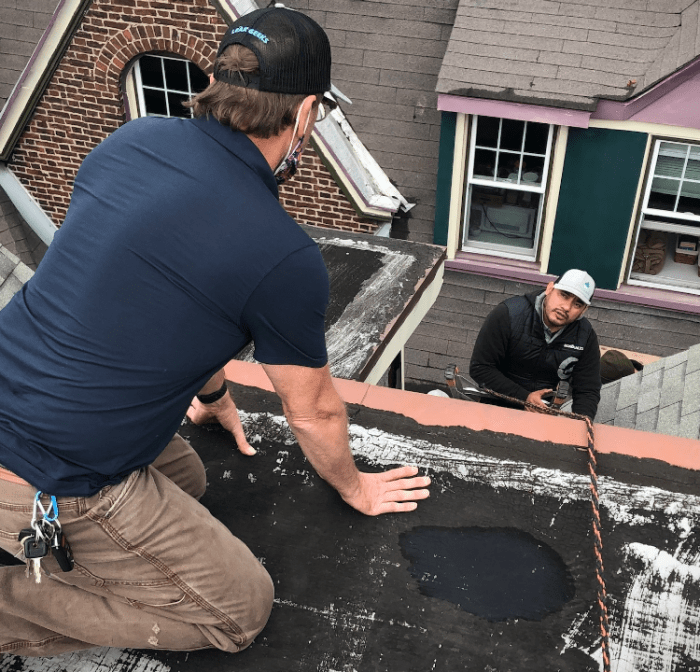
Roof inspection checklist for homeowners made easy

Roof inspection checklist for homeowners

Roof inspection checklist for homeowners is a vital resource that every property owner should have at their fingertips. Regular inspections not only preserve the integrity of your home but also elevate its value and security. With various roofing materials and seasonal challenges, understanding what to look for during roof inspections is crucial for maintaining a safe and comfortable living environment.

This guide will walk you through essential components to include in your checklist, offer effective seasonal maintenance tips, and highlight the connection between a well-maintained roof and home security. From shingles to drainage systems, we’ll cover all the bases to ensure you’re well-prepared for any roofing challenge.

Roof Inspection Checklist Components

Conducting a roof inspection is a vital practice for homeowners, ensuring the longevity and safety of their homes. A well-thought-out checklist can simplify the process, allowing homeowners to systematically assess their roofs. By focusing on essential components, homeowners can identify potential issues before they escalate into costly repairs.Different roofing materials play a significant role in the inspection process, as each type has unique characteristics and maintenance requirements.

Understanding these differences allows homeowners to tailor their inspections more effectively, ensuring no critical area is overlooked.

Essential Elements of a Roof Inspection Checklist

A comprehensive roof inspection checklist should encompass various aspects to ensure a thorough evaluation. This includes checking for visible damage, assessing drainage systems, and evaluating the overall condition of roofing materials. The following components are crucial for an effective roof inspection:

  • Visual Inspection: Begin with a thorough visual assessment of the roof from the ground and, if safe, from a ladder. Look for missing or damaged shingles, tiles, or other roofing materials.
  • Gutters and Downspouts: Ensure gutters are free of debris and properly directing water away from the foundation. Clogged gutters can lead to water damage.
  • Flashing and Seals: Check around chimneys, vents, and skylights for intact flashing and seals. Deterioration here can lead to leaks.
  • Attic Inspection: Look inside the attic for signs of moisture or leaks, which may indicate roof issues.
  • Roof Age and Material: Note the age and type of roofing material, as different materials have varying lifespans and maintenance needs.

Significance of Different Roofing Materials

The roofing material significantly influences the inspection process, as various materials come with distinct characteristics. For instance, asphalt shingles typically last 15-30 years, while metal roofs can last 50 years or more. It is essential to consider the following when inspecting different roofing materials:

  • Asphalt Shingles: Check for curling, cracking, or granule loss, indicating the need for replacement.
  • Wood Shakes: Look for signs of rot or insect damage, as these materials are more susceptible to decay.
  • Metal Roofing: Inspect for rust, dents, and loose seams, as these can compromise the roof’s integrity.
  • Tile and Slate: Ensure tiles are not cracked or broken; these materials can be heavier and may require specialized support.

Method for Checking the Condition of Shingles or Tiles

Inspecting shingles or tiles is a critical aspect of roof maintenance. Homeowners should approach this task systematically to assess their condition adequately. The following method Artikels how to check shingles or tiles effectively:

1. Visual Inspection

Start from the ground to evaluate the overall appearance of the roof. Check for missing, cracked, or curling shingles.

2. Use a Ladder Safely

If comfortable, use a ladder to get a closer look at the roof surface. Avoid stepping directly on shingles to prevent damage.

3. Check for Granule Loss

Inspect the gutters for granules, which may indicate shingle wear. Less granulation can lead to reduced lifespan.

4. Assess the Edges

Pay special attention to the edges of shingles or tiles. Damage often begins here, leading to leaks if not addressed.

5. Look for Algae or Moss

While not immediately harmful, algae or moss can retain moisture and lead to shingle deterioration over time.

6. Evaluate Flashing

Ensure that flashing is intact and properly sealed, as this is a common leak point.By following this method, homeowners can effectively assess the condition of their roofing materials, allowing for timely repairs and maintenance.

Seasonal Roof Maintenance Tips

Roof inspection checklist for homeowners

Maintaining your roof throughout the changing seasons is essential to prolong its lifespan and ensure its effectiveness in protecting your home. Each season brings specific challenges that can affect your roof’s condition, and understanding how to prepare for these changes can save you from costly repairs down the road. By adopting a proactive maintenance approach, homeowners can preserve the integrity of their roofs and prevent potential issues from escalating.During the various seasons, there are practical strategies to maintain your roof effectively.

Preventative measures, such as regular inspections and timely repairs, can significantly reduce the risk of water damage, leaks, and other roof-related problems. One vital aspect of roof maintenance is assessing the roof drainage systems, which play a crucial role in keeping your roof in good shape. Poor drainage can lead to water pooling, causing leaks and structural damage.

Winter Roof Maintenance

As winter approaches, it is vital to prepare your roof for snow and ice accumulation. Ice dams can form on the edges of the roof, trapping water and leading to leaks inside your home. Here are some strategies for maintaining your roof during the winter months:

  • Remove snow buildup regularly to prevent ice dams from forming.
  • Inspect and clean gutters to ensure proper drainage before snow falls.
  • Check for any loose shingles or damaged flashing that may need to be repaired.

Spring Roof Maintenance

Spring is the perfect time to tackle roof maintenance tasks that may have been neglected during the winter. As the weather warms up, it’s essential to inspect for damage caused by winter storms. Consider the following tips:

  • Conduct a thorough inspection of the roof for missing or damaged shingles.
  • Clear debris from gutters and downspouts to prevent water pooling.
  • Examine the flashing around chimneys and vents for any signs of wear.

Summer Roof Maintenance

Summer’s warm weather provides an excellent opportunity for homeowners to perform more in-depth roof maintenance. High temperatures can lead to roof materials expanding, which may create vulnerabilities. Here’s how to maintain your roof during summer:

  • Inspect for any signs of blistering or cracking in roofing materials.
  • Ensure that tree branches are trimmed back to prevent damage from falling limbs.
  • Check attic insulation and ventilation to reduce heat buildup and moisture issues.

Fall Roof Maintenance

As autumn arrives, preparing your roof for the impending winter is crucial. Leaves can clog gutters and lead to drainage issues if not addressed. Here are some effective fall maintenance tips:

  • Clean gutters and downspouts to ensure clear water flow.
  • Inspect roof shingles for signs of wear and replace any damaged ones.
  • Perform a final check on flashing and sealant around vents and chimneys.

Regular roof maintenance throughout the seasons not only extends the life of your roof but also enhances your home’s overall value and safety.

Home Security Considerations Related to Roofing

A well-maintained roof is more than just a protective covering for your home; it plays a crucial role in your overall security. An intact roof not only shields your home from the elements but also deters potential intruders. Recognizing the relationship between roof maintenance and home security is essential for homeowners looking to protect their families and belongings.Maintaining your roof contributes significantly to the security of your home.

When roofs are in poor condition, they may have vulnerabilities that can be exploited by unauthorized individuals. For example, broken shingles, loose tiles, or gaps can serve as entry points. Regular roof inspections help identify and rectify these issues before they compromise your home’s security. By ensuring that your roof is secure, you minimize the risk of break-ins and theft, giving you peace of mind.

Secure Roofing Elements and Potential Vulnerabilities

Understanding what makes a roof secure can help homeowners pinpoint weaknesses that could jeopardize their safety. Below is a checklist comparing secure roofing elements against common vulnerabilities to consider during inspections.To effectively assess your roof’s security, consider the following aspects:

Secure Roofing Elements Potential Vulnerabilities
Sturdy shingles or tiles that are in good condition Cracked or missing shingles that can expose the roof decking
Well-sealed flashing around chimneys and vents Loose or corroded flashing that can allow water and pests to enter
Secure roof access points, like hatches or ladders Accessible ladders or tree branches that provide easy entry
Proper insulation and ventilation that prevent moisture build-up Moisture damage leading to weakened roof structure
Regular inspections and maintenance logs Neglected maintenance that results in undetected damage

These elements highlight the importance of regular roof inspections. By ensuring that secure roofing features are intact and addressing any vulnerabilities, homeowners can significantly enhance the safety of their homes against unauthorized access and weather-related damage.

Ending Remarks

Roof inspection checklist for homeowners

In summary, having a comprehensive roof inspection checklist for homeowners is essential for sustaining your home’s value and safety. By understanding both the preventive measures needed throughout the seasons and the unique characteristics of your roofing materials, you can significantly reduce the risk of costly repairs and enhance your home’s security. Regular inspections empower homeowners to take proactive steps in maintaining their roofs, ultimately leading to a more secure and resilient living space.

Clarifying Questions

How often should I inspect my roof?

It is recommended to inspect your roof at least twice a year, ideally in spring and fall, as well as after severe weather events.

What should I do if I find damage during an inspection?

If you find damage, promptly contact a professional roofer to assess the situation and recommend necessary repairs.

Can I do a roof inspection myself?

Yes, homeowners can perform basic inspections, but it’s advisable to have a professional check for more in-depth issues, especially on steep roofs.

What are signs of roof wear and tear?

Signs include missing shingles, sagging areas, water stains on ceilings, and granules in gutters.

How does a roof affect home insurance?

A well-maintained roof can lower insurance premiums and is crucial for claims related to roof damage.

Low-maintenance roofing options for hassle-free homes

Low-maintenance roofing options

Low-maintenance roofing options are becoming increasingly popular among homeowners looking to save time and money on upkeep. With a variety of materials available, such as metal and synthetic options, these roofs not only promise durability but also provide a stylish edge to your home. Whether you’re considering a new roof or an upgrade, understanding the benefits and drawbacks of these materials can lead to a more informed choice that fits your lifestyle and budget.

In this guide, we’ll explore various low-maintenance roofing materials, their cost implications, and how they can be integrated with home security features, ensuring that your investment is both practical and protective.

Overview of Low-Maintenance Roofing Materials

When it comes to choosing a roofing option that requires minimal upkeep, several materials stand out in the market. Low-maintenance roofing not only saves time and money but also enhances the longevity of your home’s exterior. This overview will explore various low-maintenance roofing materials, their advantages and disadvantages, and how climate can influence the best choices for your home.One of the most popular low-maintenance roofing materials is metal roofing.

Metal roofs are known for their durability and resistance to harsh weather conditions. They can last 50 years or more with proper installation and are available in various styles, including panels and shingles. Another common choice is asphalt shingles, which are lightweight and relatively affordable. They generally offer a lifespan of 15-30 years, depending on the quality and climate. Lastly, synthetic roofing materials, such as rubber and composite shingles, can mimic the appearance of traditional materials while providing enhanced durability and lower maintenance needs.

Metal Roofing

Metal roofing is revered for its exceptional longevity and minimal maintenance requirements. It comes in various materials, including steel, aluminum, and copper, and is available in numerous styles and colors.

  • Advantages: Metal roofs are highly resistant to wind, fire, and mildew. They can reflect sunlight, which helps keep homes cooler, potentially lowering energy costs.
  • Disadvantages: Initial costs can be higher than traditional roofing materials. Additionally, certain metal roofs may be prone to dents from hail and can be noisy during rain or hailstorms.

Asphalt Shingles

Asphalt shingles are one of the most widely used roofing materials in North America due to their affordability and ease of installation.

  • Advantages: Available in a variety of styles and colors, asphalt shingles are relatively inexpensive and can be installed quickly. They also provide decent protection against various weather conditions.
  • Disadvantages: The lifespan of asphalt shingles is shorter compared to metal roofing, generally requiring replacement every 15-30 years. They are also more susceptible to mold and moss growth in humid climates.

Synthetic Roofing

Synthetic roofing materials, including rubber and composite options, offer innovative alternatives to traditional roofing styles.

  • Advantages: These materials can mimic the look of wood or slate without the associated maintenance. They are typically lightweight, resistant to UV damage, and designed to last decades with little upkeep.
  • Disadvantages: While synthetic roofing can be more durable, it often comes at a premium price compared to asphalt shingles. Some synthetic materials may not perform well under extreme temperature variations.

Climate Considerations

The local climate plays a crucial role in determining the best low-maintenance roofing option for a home.

  • In areas with heavy rainfall, metal roofing’s water-shedding capabilities can prevent leaks and damage.
  • In hot climates, materials such as metal can help keep homes cooler, reducing cooling costs.
  • Conversely, regions with high winds may require roofing systems that can withstand storms, making the weight and installation quality critical.

Choosing the right roofing material not only impacts maintenance but also influences energy efficiency and the overall aesthetic appeal of your home.

Cost Implications of Low-Maintenance Roofing

Low-maintenance roofing options

Investing in low-maintenance roofing options often presents significant long-term financial advantages. While the initial outlay might seem higher compared to traditional roofing materials, the cumulative savings from reduced repair costs and prolonged lifespan can lead to substantial economic benefits over time. This analysis will break down the cost implications associated with low-maintenance roofing, highlighting the long-term cost benefits, potential savings on repairs, and a comparison of installation costs relative to ongoing maintenance expenses.

Long-Term Cost Benefits of Low-Maintenance Roofing

Choosing low-maintenance roofing can significantly reduce overall expenses related to home maintenance. While these materials may have a higher initial cost, their durability and resilience translate into fewer repairs and replacements over the life of the roof. For instance, materials like metal and slate can last for over 50 years, greatly outpacing traditional asphalt shingles, which typically last around 20 years.

The following points Artikel key financial aspects that contribute to the cost-effectiveness of low-maintenance roofing:

  • Longevity: Low-maintenance roofs can last significantly longer, reducing the frequency and cost of replacement.
  • Fewer Repairs: These roofs typically require less frequent repairs due to their durable nature, leading to lower annual maintenance costs.
  • Energy Efficiency: Many low-maintenance roofing materials provide better insulation and reflectivity, potentially lowering energy bills.
  • Increased Home Value: Investing in durable materials can enhance property resale value, appealing to prospective buyers.

Potential Savings on Repairs and Replacements

Different roofing materials offer varying levels of maintenance and repair savings. For example, fiber cement and metal roofing options are known for their resistance to weather damage and pests, reducing the need for costly repairs. In contrast, traditional roofing materials may necessitate more frequent inspections and repairs, leading to higher cumulative costs.

The following table illustrates estimated costs associated with common roofing materials over a 30-year period, factoring in installation and average maintenance costs:

Roofing Material Initial Installation Cost Estimated Maintenance Costs Over 30 Years Total Cost Over 30 Years
Asphalt Shingles $7,000 $15,000 $22,000
Metal Roofing $12,000 $5,000 $17,000
Slate Roofing $24,000 $2,000 $26,000
Tile Roofing $18,000 $3,000 $21,000

This financial breakdown highlights that although initial installation costs for low-maintenance materials like metal and slate may be higher, the long-term savings on maintenance and repairs can lead to lower total expenses over the roof’s lifespan.

Installation Costs Versus Maintenance Costs

When comparing the initial installation costs of low-maintenance roofing materials with their maintenance expenses, it becomes evident that the former can offset the latter in the long run. For instance, while asphalt shingles may be cheaper to install, the recurring maintenance and replacement costs can surpass those of more durable options. The following insights underscore the importance of considering long-term economics in roofing choices:

  • Upfront Investment: Low-maintenance materials require a higher initial investment, but this is balanced by lower maintenance costs.
  • Long-Term Planning: Homeowners should evaluate not just the immediate costs, but also the projected lifespan and associated maintenance of each roofing option.
  • Budgeting for the Future: Investing in durable roofing materials can lead to peace of mind and decreased financial burdens in the future.

Ultimately, understanding the cost implications of low-maintenance roofing involves recognizing the trade-offs between initial expenditures and long-term savings, guiding homeowners to make informed choices that benefit their finances and property value in the long run.

Integration of Low-Maintenance Roofing with Home Security

Low-maintenance roofing options

Low-maintenance roofing options not only provide a reliable shelter for your home but also enhance its security features. The right roofing materials can contribute significantly to the safety and durability of a home, acting as a deterrent against potential threats. Understanding how these materials interact with various home security aspects is essential for homeowners looking to make informed decisions.Certain roofing materials inherently offer enhanced security features.

For example, metal roofing is known for its durability and resistance to impacts, making it difficult for intruders to breach. Furthermore, materials like slate or clay tiles are not only aesthetically pleasing but also offer heightened protection against forced entry. They are heavy and hard to remove, creating a reliable barrier. Low-maintenance roofs can also provide better resistance against weather elements, reducing the likelihood of damage that can lead to vulnerabilities in your home’s security.

Considerations for Selecting Low-Maintenance and Secure Roofing

When choosing roofing materials that merge low-maintenance needs with security features, several factors should be evaluated. Here’s a checklist designed for homeowners to ensure they select the best options:

  • Material Strength: Ensure the chosen roofing material can withstand impact and resist breakage.
  • Fire Resistance: Look for materials that are rated for fire resistance to prevent the spread of flames.
  • Weather Resistance: Choose roofing that can endure heavy winds, hail, and severe weather conditions.
  • Weight of Material: Heavier materials can be more difficult for intruders to remove, adding an extra layer of security.
  • Maintenance Requirements: Opt for roofing that requires minimal upkeep, reducing the chance of neglect leading to vulnerabilities.
  • Installation Quality: Ensure a professional installation to prevent gaps and weaknesses that could be exploited.

Incorporating these considerations can foster a safer home environment while also minimizing the demands of maintenance over time. Each of these points plays a critical role in ensuring that the roofing system not only serves its primary function of protection from the elements but also acts as a crucial first line of defense against potential security threats.

“Investing in low-maintenance roofing that emphasizes security can lead to long-term peace of mind for homeowners.”

Final Conclusion

In summary, low-maintenance roofing options offer an ideal solution for those seeking to minimize home maintenance while maximizing safety and aesthetics. With an array of materials to choose from, the right roofing choice can yield long-term benefits and peace of mind. So, whether you are looking for durability or energy efficiency, these roofing solutions pave the way for a worry-free home experience.

Commonly Asked Questions

What are the most common low-maintenance roofing materials?

The most common low-maintenance roofing materials include metal, asphalt shingles, and synthetic roofing products, each offering varying levels of durability and aesthetics.

How do low-maintenance roofs save money in the long run?

Low-maintenance roofs can save money by reducing the frequency of repairs and replacements, leading to lower overall maintenance costs over time.

Can low-maintenance roofing improve home security?

Yes, certain low-maintenance roofing materials can enhance home security by being more resistant to damage and break-ins compared to traditional roofing options.

Are low-maintenance roofing options environmentally friendly?

Many low-maintenance roofing materials are designed to be energy-efficient and can contribute to a home’s overall sustainability, depending on the material chosen.

What should I consider when choosing low-maintenance roofing?

Consider factors such as climate, initial costs, long-term savings, aesthetics, and how the material integrates with your home security needs when selecting low-maintenance roofing.

Home security systems with no monthly fee offer peace of mind

Budget-Friendly Home Security Systems With No Monthly Fee – WalletGenius

Home security systems with no monthly fee set the stage for a fascinating exploration of how you can protect your home without the burden of ongoing costs. With a variety of options available, homeowners can now choose systems that fit their needs and budgets, providing a sense of safety without the commitment of monthly payments. From DIY setups to advanced technology, the landscape of home security is evolving, allowing for more control and flexibility than ever before.

As we dive deeper into this topic, we’ll look at the different types of no-monthly-fee systems, compare DIY versus professional installations, and examine the technology that powers these solutions. Additionally, we’ll discuss the financial and safety advantages of going this route, while considering how integrating security features with home roofing can further enhance the effectiveness of your security measures.

Home Security Systems Overview

Home security systems play a crucial role in protecting residences from intrusions, theft, and other security threats. Many homeowners are now turning to systems that do not require a monthly fee, allowing them to save on expenses while still ensuring their safety. This overview will delve into the various types of home security systems available without a monthly fee, highlighting the distinctions between DIY setups and professionally installed ones, as well as discussing the technologies that power these modern solutions.

Types of Home Security Systems Without Monthly Fees

There are several home security systems that homeowners can choose from that do not involve recurring fees. These include:

  • DIY Security Systems: These systems are designed for self-installation and often come with user-friendly components like cameras, sensors, and alarms. Brands like Ring and Arlo provide equipment that can be set up without professional help.
  • Self-Monitored Systems: Systems such as SimpliSafe and Blink allow homeowners to monitor their properties through mobile apps. They provide notifications and alerts directly to users but do not offer professional monitoring services.
  • Smart Home Systems: Integrating with smart home devices, systems like Google Nest can be configured for security purposes. They harness existing smart technology to ensure safety without monthly costs.

Comparison of DIY Home Security Systems and Professionally Installed Systems

When choosing between a DIY home security system and a professionally installed option, several factors must be considered, including cost, convenience, and effectiveness.

  • Cost: DIY systems usually involve a one-time purchase of equipment, while professional installations often include ongoing monitoring fees, which can add up over time.
  • Installation: DIY systems can be set up at the homeowner’s convenience, whereas professionally installed systems provide the benefit of expert setup, potentially offering more reliability.
  • Customization: DIY systems offer flexibility, allowing homeowners to select components based on their specific needs, while professional systems may have limited customization options based on the package chosen.
  • Monitoring: Self-monitored systems place the responsibility on the homeowner to respond to alerts, while professionally installed systems typically come with 24/7 monitoring services.

Technology Used in Modern Home Security Systems

The technology in modern home security systems without monthly fees has evolved significantly, offering advanced features that enhance security and convenience.

“Modern home security systems leverage Internet of Things (IoT) technology, allowing for seamless integration and control.”

Some of the key technologies include:

  • Smart Cameras: Equipped with features like motion detection, night vision, and two-way audio, smart cameras allow homeowners to monitor their property from anywhere.
  • Wireless Sensors: These detect unauthorized entry and can be placed on doors and windows. They communicate with the central hub wirelessly, allowing for flexible installation.
  • Smart Home Automation: Integration with devices such as smart locks, lights, and thermostats can enhance security by enabling remote control and scheduling.
  • Mobile Apps: Most systems now come with mobile applications that allow for real-time alerts and remote management of security devices.

Advantages of No Monthly Fee Home Security Systems

Choosing a home security system without monthly fees can lead to several significant benefits that enhance both financial savings and security peace of mind. Homeowners can enjoy top-notch protection without the burden of continuous subscription costs, allowing them to invest in their security system without ongoing financial commitment. One of the primary advantages of these systems is the immediate financial savings that come from eliminating monthly fees.

Homeowners can allocate those funds elsewhere, whether it’s for upgrades to the security system itself or other essential household expenses. This approach not only saves money but can also lead to enhanced home safety with a more robust setup.

Financial Benefits of No Monthly Fees

Investing in a home security system without monthly fees offers clear financial advantages. Homeowners can experience immediate cost savings and long-term financial freedom. Here are some important points to consider:

  • One-time Payment: Many no-monthly-fee systems require only a one-time upfront cost, which can be significantly less than the total of years of subscription fees for traditional systems.
  • No Long-term Contracts: Homeowners are not locked into multi-year contracts, providing the freedom to change their security setup without penalties.
  • Investment in Security Hardware: The money saved from monthly fees can be reinvested into higher-quality hardware or additional security features, such as cameras or smart home integrations, enhancing overall protection.

Increased Home Safety Without Ongoing Costs

No monthly fee home security systems not only save money but can also contribute to a safer living environment. The absence of ongoing costs allows homeowners to feel more secure in their investment. Here’s how these systems enhance safety:

  • Immediate Access to Security Features: Homeowners can activate and utilize security features immediately without waiting for subscription approvals or payments.
  • 24/7 Protection: Many systems provide round-the-clock monitoring options, ensuring that the home is protected at all times without incurring extra charges.
  • Customized Safety Solutions: Without the constraints of a contract, homeowners can tailor their security solutions to fit their unique needs, focusing on areas of their home that require more attention.

Flexibility and Control Over Security Measures

Home security systems with no monthly fees offer unparalleled flexibility and control to homeowners. This autonomy allows individuals to manage their security measures in a way that fits their lifestyle and preferences. Key aspects include:

  • Freedom to Change Services: Homeowners can easily switch or upgrade their security features without being tied to a service provider’s constraints.
  • Personalized Monitoring Options: Different monitoring options can be chosen based on the homeowner’s preference, whether through self-monitoring or choosing to hire an outside service when necessary.
  • Adaptability to Lifestyle Changes: As families grow or security needs change, homeowners can adapt their systems without worrying about additional fees or penalties associated with changing their subscription.

Integration with Home Roofing and Other Features

Best No Monthly Fee Home Security Systems in 2025

Home security systems can significantly enhance the safety of a house when integrated with structural elements like roofing. With advancements in technology, combining roofing materials with security features creates an all-encompassing protective layer for homes. This integration not only secures the structure but also offers functional benefits that homeowners can appreciate.Integrating home security systems with roofing materials involves using specialized products that contribute to both protection and aesthetics.

For instance, certain roofing materials can be designed to accommodate security cameras, motion detectors, or even alarm systems. These features can be seamlessly incorporated into the design of the home, reducing the need for external fixtures that could compromise the visual appeal of the property.

Enhancing Security Through Physical Barriers

Physical barriers created by roofing can significantly enhance the overall security of a home. A well-maintained roof not only protects against weather elements but can also act as a deterrent against intruders. The following strategies highlight how roofing contributes to home security:

  • Secure Roof Design: A sloped roof with fewer accessible surfaces makes it harder for intruders to find footholds, thereby reducing the likelihood of unauthorized access.
  • Installation of Security Cameras: Strategically placed cameras within the roofline or mounted on secure eaves can provide excellent surveillance coverage while remaining discreet.
  • Use of Durable Materials: Choosing strong, resilient roofing materials can prevent break-ins through the roof, which is often overlooked as an entry point.
  • Integrating Alarms with Roof Sensors: Advanced alarm systems can include sensors that detect movement on the roof, alerting homeowners to potential threats before they reach ground level.

Routine roof maintenance plays a crucial role in the effectiveness of home security systems. A well-maintained roof ensures that security features remain operational, preventing vulnerabilities that could be exploited by intruders. Neglecting roofing can lead to deteriorated materials, making it easier for intruders to penetrate. Additionally, regular inspections and repairs can identify potential issues that may compromise both the security and integrity of the home.

For example, a damaged roof might harbor weak spots that could be exploited, while a secure roof supports the functionality of integrated security systems, keeping them effective over time.

“Quality roofing not only protects your home from the elements but also serves as a physical barrier against potential threats.”

Last Word

Budget-Friendly Home Security Systems With No Monthly Fee – WalletGenius

In conclusion, home security systems with no monthly fee present a practical option for homeowners looking to enhance their safety without incurring extra costs. By understanding the various types of systems available and their benefits, you can make informed decisions that suit your lifestyle and needs. Whether you opt for a DIY system or choose to integrate security features with your roofing, the opportunity to maintain control over your home security is now more achievable than ever.

Detailed FAQs

What types of home security systems are available without a monthly fee?

There are various types, including DIY systems, smart cameras, and motion sensors that don’t require subscriptions.

How does a DIY home security system compare to a professionally installed system?

DIY systems are typically more affordable and allow for customization, while professional systems may offer expert installation and monitoring.

Are there any hidden costs with no monthly fee systems?

While there are no subscription fees, there may be initial costs for equipment and potential maintenance expenses.

Can I integrate my security system with other home features?

Yes, many no-monthly-fee systems can be integrated with smart home devices and physical security measures like roofing.

What technology is used in modern no-monthly-fee security systems?

These systems often utilize wireless technology, smart sensors, and mobile applications for real-time monitoring and alerts.

Fire-resistant roofing materials for safer homes

Fire-resistant roofing materials

Fire-resistant roofing materials are essential in enhancing the safety and security of homes. As wildfires and extreme weather events become more prevalent, homeowners are increasingly looking for ways to protect their properties. This guide dives into the various types of fire-resistant roofing options available, their benefits, and installation processes, making it easier for you to make informed choices.

From metal roofs to clay tiles and synthetic materials, the options are diverse and engineered to withstand flames and heat, offering peace of mind for homeowners. Not only do these materials provide a crucial barrier against fire, but they can also positively influence home insurance premiums and serve as a deterrent against fire-related damage.

Types of Fire-resistant Roofing Materials

Roofing resistant restoration roof

Fire-resistant roofing materials play a crucial role in enhancing the safety and longevity of a structure. These materials are specially designed to withstand high temperatures and prevent the spread of flames, making them essential in areas prone to wildfires or in buildings that require higher safety standards. Understanding the various types of fire-resistant roofing options available can help homeowners and builders make informed decisions that align with safety regulations and aesthetic preferences.The market offers a diverse range of fire-resistant roofing materials, each with unique properties and benefits.

These materials not only provide protection against fire but can also contribute to energy efficiency and aesthetic appeal. Below, we explore some of the most common types of fire-resistant roofing materials, detailing their characteristics, advantages, and installation processes.

Asphalt Shingles

Asphalt shingles are one of the most widely used roofing materials across North America, known for their affordability and ease of installation. Fire-resistant asphalt shingles are treated with fire retardants and are rated according to the ASTM E108 standard.

  • Properties: These shingles can withstand flames for a prolonged period, helping to slow down fire spread. They come in various styles and colors, allowing for aesthetic customization.
  • Benefits: Their lightweight nature simplifies installation and repairs, while their affordability makes them a popular choice for budget-conscious homeowners.
  • Installation Process: Typically, asphalt shingles are applied over a solid deck and require underlayment for added fire resistance. Proper overlap and nailing techniques are crucial for ensuring durability against weather elements.

Metal Roofing

Metal roofing has gained popularity for its durability and longevity. Materials such as steel, aluminum, and copper are commonly used, and many manufacturers offer products with high fire ratings.

  • Properties: Metal roofs are non-combustible and can reflect heat, enhancing energy efficiency. They are resistant to rust and corrosion, ensuring a long lifespan.
  • Benefits: These roofs can last 40-70 years, significantly reducing replacement costs. They are also lightweight, which can reduce structural load.
  • Installation Process: Metal roofing panels are typically installed over a solid substrate, with the seams interlocking to enhance waterproofing and fire resistance. Proper insulation and ventilation are imperative to prevent condensation under the roofing.

Concrete and Clay Tiles

Concrete and clay tiles are known for their impressive durability and classic aesthetic. These materials are naturally fire-resistant due to their composition.

  • Properties: Both concrete and clay tiles can withstand extreme temperatures and are not prone to rotting, insect damage, or fire.
  • Benefits: They provide excellent insulation, helping to maintain indoor temperatures. Their distinctive style can enhance the curb appeal of a home.
  • Installation Process: Installing tile roofs often requires a more complex framework to support the weight of the tiles. Tiles are laid in overlapping patterns, requiring precise alignment to ensure proper drainage and fire resistance.

Modified Bitumen

Modified bitumen is a type of flat roofing system that incorporates asphalt with modifiers, enhancing its performance.

  • Properties: It is highly resistant to fire, UV radiation, and extreme weather conditions. Modified bitumen is also flexible, allowing it to expand and contract with temperature changes.
  • Benefits: This material is ideal for commercial buildings and provides a robust barrier against moisture and fire.
  • Installation Process: Modified bitumen is typically installed using heat or cold adhesive methods, requiring careful layering to ensure a watertight seal and optimal fire resistance.

“Selecting the right fire-resistant roofing material is essential for improving safety and enhancing the overall value of your property.”

Benefits of Fire-resistant Roofing in Home Security

Fire-resistant roofing materials

Fire-resistant roofing materials play a crucial role in enhancing the overall security of a home. By providing a protective barrier against flames and extreme heat, these materials significantly reduce the risk of fire damage. In addition to safeguarding the structure, fire-resistant roofs can also have positive implications for your homeowner’s insurance and offer vital protection during wildfire seasons or severe weather events.

Impact on Home Insurance Premiums

Installing fire-resistant roofing can lead to lower home insurance premiums. Insurance providers typically reward homeowners who take preventive measures to protect their property from fire hazards. This not only reflects a reduced risk for the insurer but also translates to tangible financial benefits for the homeowner. Many insurers may offer discounts ranging from 5% to 30% on premiums for homes equipped with fire-resistant roofing solutions.

Protection Against Wildfires and Extreme Weather Events

Fire-resistant roofing materials are particularly beneficial for homes located in areas prone to wildfires. The added layer of protection significantly lessens the likelihood of a home catching fire from embers or direct flames. Additionally, these roofs can withstand high winds and heavy rains, contributing to a home’s resilience during storms. The following points highlight the advantages of fire-resistant roofing in safeguarding homes:

  • Higher Resistance to Flames: Fire-resistant materials are designed to resist ignition and slow down fire spread, providing critical time for evacuation and emergency response.
  • Reduction of Ember Attack Risk: In wildfire situations, embers can travel long distances and ignite flammable materials. Fire-resistant roofs help mitigate this risk.
  • Improved Durability: These roofs are often made from materials such as metal, slate, or concrete, which not only resist fire but also offer longevity against extreme weather conditions.
  • Insurance Incentives: As mentioned, having fire-resistant roofing can lead to discounts on home insurance, ultimately saving homeowners money.
  • Increased Home Value: Homes with fire-resistant roofing are more appealing to potential buyers, especially in fire-prone regions, thus enhancing property value.

Investing in fire-resistant roofing not only protects your home but also contributes to peace of mind and financial savings.

Comparisons of Fire-resistant Roofing Materials

When considering fire-resistant roofing materials, it’s essential to evaluate their performance across various parameters. The choice of a roofing material not only affects the safety and resilience of a home but also impacts its overall maintenance and long-term costs. Here’s a comparative analysis of several popular fire-resistant roofing options.

Cost, Durability, and Maintenance

Understanding the cost, durability, and maintenance requirements of different fire-resistant roofing materials allows homeowners to make informed decisions. Below is a detailed comparison of four common types of fire-resistant roofing materials: metal, asphalt shingles, tile, and synthetic materials.

Material Cost (per sq ft) Durability Maintenance
Metal $3 – $6 Highly durable (40-70 years) Low; occasional painting and cleaning
Asphalt Shingles $1 – $5 Moderately durable (15-30 years) Moderate; yearly inspections recommended
Tile $5 – $15 Very durable (50+ years) Low; periodic inspections
Synthetic $3 – $10 Durable (30-50 years) Low; minimal upkeep required

The table illustrates the various aspects of each roofing type. Metal roofs, while initially pricier, offer exceptional durability and require minimal maintenance, making them a cost-effective choice over time. Asphalt shingles are the most economical upfront but require more frequent replacement and maintenance. Tile roofs are renowned for their longevity and aesthetic appeal, albeit at a higher cost, while synthetic materials strike a balance between cost and durability with low maintenance requirements.

Environmental Impact and Sustainability

The environmental consequences of roofing materials are increasingly relevant in today’s eco-conscious society. Assessing sustainability involves evaluating the resources used in production, energy efficiency, and end-of-life disposal.Metal roofing is highly sustainable as it is often made from recycled materials and is fully recyclable at the end of its life. It also reflects solar energy, reducing cooling costs, which helps lower overall energy consumption.Asphalt shingles, on the other hand, have a higher environmental impact due to their petroleum-based production.

While they can be recycled, the availability of recycling facilities varies widely.Tile roofs, made from natural clay or concrete, are sustainable; however, their production is energy-intensive. They boast an extended lifespan, which can offset their initial environmental costs.Synthetic roofing materials are typically made from a blend of recycled and virgin materials. While they are often lighter and easier to install, the long-term sustainability can vary based on the specific product and its lifecycle management.In summary, when selecting fire-resistant roofing materials, homeowners should not only consider cost and durability but also the environmental implications of their choices.

Each material has its unique strengths and weaknesses, making it crucial to align the choice with personal values and practical needs.

Ultimate Conclusion

In summary, investing in fire-resistant roofing materials is a proactive approach to safeguarding your home from potential fire hazards. By understanding the types available and their respective advantages, you can make educated decisions that enhance your home’s resilience. Ultimately, the right roofing choice not only protects your property but also contributes to overall community safety.

General Inquiries

What are the most common fire-resistant roofing materials?

The most common fire-resistant roofing materials include metal, slate, concrete tiles, and clay tiles.

How do fire-resistant roofs affect home insurance premiums?

Fire-resistant roofs can lower home insurance premiums as they reduce the risk of fire damage.

Can fire-resistant roofing materials be installed on existing roofs?

Yes, many fire-resistant materials can be retrofitted onto existing roofs, though it’s essential to consult with a professional.

How do I maintain fire-resistant roofing?

Regular inspections, cleaning debris, and ensuring proper drainage are key to maintaining fire-resistant roofing.

Are fire-resistant roofing materials environmentally friendly?

Many fire-resistant roofing materials are sustainable, with options like metal and clay being recyclable and offering long-lasting durability.

Roof leak detection and repair methods for homeowners

Roof leak detection and repair

Roof leak detection and repair is an essential skill for homeowners, especially when it comes to safeguarding your living space from potential damage. Leaks can go unnoticed for long periods, leading to extensive repairs and costly renovations. By understanding the techniques for identifying leaks and the various repair methods available, you can ensure your roof remains in optimal condition and your home stays safe and dry.

This guide explores the different techniques for spotting leaks, from visual inspections to advanced technology. Additionally, it lays out straightforward DIY repair options and offers valuable tips for maintaining your roof. Whether you’re looking to tackle repairs yourself or hire a professional, this information will empower you to make informed decisions about your roofing needs.

Roof Leak Detection Techniques

Roof leak detection and repair

Identifying roof leaks promptly can save homeowners from costly repairs and extensive damage. Various techniques are utilized to detect leaks, ensuring that potential issues are addressed before they escalate. Understanding these methods and knowing how to conduct a thorough inspection is essential for maintaining the integrity of your roof.One effective way to locate roof leaks is through a combination of visual inspections, moisture meters, and infrared thermography.

Each method has its unique strengths and can provide valuable insights into the condition of your roof.

Visual Inspection

Visual inspection is often the first step in detecting roof leaks. It involves closely examining the roof surface for signs of damage or wear. Here’s a detailed process to conduct an effective visual inspection:

1. Prepare the Area

Ensure safety by wearing appropriate gear, such as non-slip shoes and a harness if necessary. Clear any debris from the roof that may obstruct your view.

2. Inspect Roofing Materials

Check for missing, cracked, or curled shingles. Look for any signs of deterioration or damage that may allow water to penetrate.

3. Examine Flashing

Inspect the flashing around chimneys, vents, and other roof penetrations. Ensure that it is securely attached and free from rust or damage.

4. Look for Moss and Algae

The presence of moss or algae can retain moisture on the roof surface, leading to potential leaks.

5. Check Gutters and Downspouts

Ensure that gutters are free from blockages and properly directing water away from the roof structure.

Moisture Meters

Moisture meters are valuable tools for detecting hidden leaks within roofing systems. These devices measure the moisture content in building materials and can help identify areas affected by water intrusion.

Choose the Right Meter

Select either a pin-type or pinless moisture meter based on your needs. Pin-type meters are more accurate for localized spots, while pinless meters can scan larger areas.

Conducting the Test

Press the sensor against the roofing material. High moisture readings indicate potential leaks, especially when compared to adjacent areas.

Interpreting Results

Familiarize yourself with normal moisture levels for your roofing materials to accurately assess the readings.

Infrared Thermography

Infrared thermography is a non-invasive method that uses thermal imaging to detect temperature differences in roofing materials, indicating moisture presence.

Understanding Thermal Patterns

Wet areas retain heat differently than dry areas. The thermal camera reveals these differences, allowing for precise leak location.

Conducting the Scan

Perform the scan under suitable weather conditions, preferably during cooler times of the day when temperature variances are more pronounced.

Analyzing Images

Review the thermal images for anomalies, focusing on areas where temperature differentials suggest moisture intrusion.

Signs of Roof Damage Indicative of Leaks

Recognizing signs of roof damage is crucial for early leak detection. Here are some common indicators to watch for:

Stains on Ceilings or Walls

Water stains often indicate a leak above. Look for discoloration or bubbling paint.

Mold and Mildew

The presence of mold or mildew inside the home can suggest moisture infiltration from the roof.

Peeling Paint or Wallpaper

This can be a sign of excess moisture caused by leaks.

Sagging Roof Deck

A sagging area may indicate accumulated water or structural issues, potentially leading to leaks.

Dripping Water

Obvious dripping from the ceiling during rainfall is a clear sign of a leak.By employing these detection techniques and staying vigilant for signs of damage, homeowners can effectively identify and address roof leaks before they become significant problems.

Roof Leak Repair Methods

Repairing roof leaks can be crucial in maintaining the integrity of your home. Different roofing materials require specific repair methods to ensure long-lasting solutions. Understanding these methods can help homeowners alleviate issues and safeguard their property from further damage.

Repair Methods for Various Roofing Materials

Each type of roofing material has its own set of challenges when it comes to leak repairs. Here’s a breakdown of common roofing materials and appropriate repair techniques:

  • Shingle Roofs: For asphalt shingles, repairs often involve replacing damaged or missing shingles. This is done by carefully lifting the surrounding shingles, removing the damaged piece, and nailing down a new shingle. Ensure to use roofing cement to seal the edges for added protection.
  • Metal Roofs: Metal roofs may develop leaks due to rust or loose fasteners. Tightening screws and applying a sealant can help. In cases of extensive damage, metal patches are applied over the affected areas after cleaning and drying them thoroughly.
  • Flat Roofs: Flat roofs often require different strategies, such as applying a patch of roofing membrane or using a liquid sealant. Depending on the extent of the leak, applying a new layer of roofing felt and sealing it with a waterproof membrane may also be necessary.

DIY Roof Leak Repair Guide

Tackling a roof leak yourself can save money and time. Here’s a guide to help you perform basic repairs on your own.

  • Tools Needed: A ladder, utility knife, roofing cement, caulking gun, replacement shingles or membrane, and safety gear (gloves and goggles).
  • Materials Required: Shingles or roofing membrane, roofing nails, waterproof sealant, and tar paper for flat roofs.
  • Basic Steps: Identify the leak’s source, clear any debris from the area, apply roofing cement to the damaged section, and make necessary replacements. Always ensure the area is dry before proceeding with repairs.

Hiring a Professional Roofing Contractor

When DIY repairs are above your skill level or if the damage is extensive, hiring a professional is the best option. Here’s what to consider:

  • Qualifications: Always check for licensing and insurance to protect yourself from liability.
  • Experience: Look for contractors with experience in your specific roofing material. Ask for references from previous clients to gauge their work quality.
  • Questions to Ask: Inquire about their repair process, warranty options, project timeline, and total costs. It’s also beneficial to understand any potential additional fees that could arise during the repair.

“Investing in professional roofing services can prevent further damage and costly repairs down the line.”

These methods and guidelines represent a comprehensive approach to addressing roof leaks effectively, whether you choose to tackle it yourself or seek professional help.

Home Roofing Maintenance and Security

Regular roofing maintenance is not just a chore; it’s an essential practice that safeguards your home from potential disasters. A well-maintained roof can significantly extend its lifespan, reduce the chance of leaks, and keep your living environment safe and secure. Ignoring roof upkeep can lead to larger issues that may threaten not only the structure of your home but also the well-being of its occupants.The condition of your roof plays a critical role in your home’s overall security and safety.

A compromised roof can lead to water damage, mold growth, and structural weaknesses, making the home vulnerable to intrusions and environmental hazards. Therefore, a proactive approach toward roofing maintenance is fundamental to ensuring the integrity of your home and protecting your family.

Routine Roof Inspection and Maintenance Checklist

To maintain the integrity of your roof, it’s essential to perform regular inspections and maintenance tasks. Below is a comprehensive checklist that helps ensure your roof remains in optimal condition:

  • Visual Inspection: Check the roof surface for missing or damaged shingles, cracks, or other signs of wear and tear.
  • Gutter Maintenance: Clean gutters and downspouts to prevent clogs, which can lead to water pooling and roof leaks.
  • Flashing Inspection: Examine the flashing around chimneys, vents, and skylights for rust or damage, ensuring they create a watertight seal.
  • Check for Moss and Algae: Look for growth of moss or algae, as they can trap moisture and deteriorate roofing materials.
  • Inspect Attic Ventilation: Ensure proper ventilation in the attic to prevent heat buildup and moisture accumulation, which can compromise roof integrity.
  • Evaluate Insulation: Inspect insulation for any signs of moisture or mildew, which may indicate a leak or inadequate ventilation.
  • Professional Assessment: Schedule an annual inspection by a certified roofing professional to identify potential issues early on.

Regular maintenance not only prolongs the life of your roof but also enhances the overall security of your home. Keeping this checklist in mind will make a significant difference in ensuring that your roof remains a strong barrier against the elements and other threats.

Last Recap

Roof leak detection and repair

In summary, being proactive about roof leak detection and repair is crucial for maintaining the integrity of your home. Regular inspections and understanding the repair process can save you time and money in the long run. By arming yourself with the right knowledge and tools, you can keep your roof in excellent shape and protect your home from the elements.

Remember, a well-maintained roof is not just an investment in your property but also in your peace of mind.

Q&A

How can I tell if I have a roof leak?

Look for water stains on ceilings, walls, and around vents, as well as missing or damaged shingles on the roof itself.

What are the common causes of roof leaks?

Common causes include aged roofing materials, improper installation, and damage from severe weather conditions or debris.

Is it safe to repair a roof myself?

While some repairs can be done safely by homeowners, it’s essential to assess your skill level and consider hiring a professional for complex issues.

How often should I inspect my roof?

It’s recommended to inspect your roof at least twice a year and after significant weather events for signs of wear and damage.

What tools will I need for DIY roof repairs?

Basic tools include a ladder, safety harness, roofing cement, a putty knife, and replacement shingles or flashing, depending on the repair needed.

Signs you need a new roof indicators of damage and safety

Roof need signs

Signs you need a new roof is a crucial topic for homeowners to understand, as it directly impacts the safety and integrity of their residence. A roof is not just a protective layer; it’s a shield that safeguards against the elements while contributing to overall home aesthetics. Recognizing the signs of damage early can save you from costly repairs and ensure your home remains a safe haven for you and your loved ones.

In this discussion, we will explore common indicators of roof damage, including visual signs like curling shingles and leaks, as well as the effects of weather conditions on roof durability. Additionally, we’ll provide a step-by-step guide for assessing your roof’s condition and highlight the importance of professional evaluations in making informed decisions regarding roof replacement.

Signs of Roof Damage

Signs you need a new roof

Recognizing the signs of roof damage is crucial for homeowners wanting to maintain the safety and integrity of their homes. A damaged roof can lead to significant problems, including leaks, structural issues, and increased energy costs. By being aware of common indicators, you can take proactive steps to address any issues before they escalate.Weather conditions greatly influence roof durability and lifespan.

Extreme temperatures, heavy rainfall, snow accumulation, and high winds can wear down roofing materials over time. For instance, shingles may become brittle under prolonged sun exposure, while ice can cause significant damage during winter months. Understanding how these factors affect your roof is essential for proper maintenance and timely repairs.

Visual Signs of Roof Damage

There are several visual signs that indicate your roof may need attention. Observing these indicators can help you determine if it’s time for a repair or a full replacement. Here are some common signs to look out for:

  • Curling Shingles: Shingles that are curling or buckling can signify aging or damage. This condition often occurs when the shingles have been exposed to excessive heat or moisture.
  • Leaks and Water Stains: Water stains on your ceilings or walls usually suggest that your roof is leaking. Regular inspections can help identify the source of leaks before they cause further damage.
  • Discoloration and Mold: Dark streaks or patches on your roof may indicate the presence of mold or algae. This not only affects the appearance of your roof but can also lead to deterioration of roofing materials.
  • Missing or Damaged Shingles: A few missing or damaged shingles can be replaced, but if you notice a widespread problem, it might indicate that the roof is nearing the end of its lifespan.
  • Granules in Gutters: Finding shingle granules in your gutters can be a sign that your shingles are deteriorating. Granules protect the shingles from UV rays and water damage, and their loss can lead to further issues.

The presence of these signs should prompt a thorough inspection by a professional to properly assess the health of your roof. Addressing these issues early can prevent costly repairs and ensure your home remains safe and secure.

Assessing Roof Condition

Roof need signs

Inspecting your roof is a vital step in maintaining the integrity of your home. A well-kept roof not only enhances curb appeal but also protects against environmental damage. Regular assessments can help identify issues early, potentially saving you from costly repairs or a full roof replacement later on. Here’s a detailed approach to evaluating your roof’s condition.

Step-by-Step Guide to Inspecting a Roof for Damage

Carrying out a thorough roof inspection requires careful attention to detail. Here is a straightforward guide to help you assess your roof effectively:

  1. Safety First: Ensure you have proper safety gear such as a sturdy ladder, safety harness, and non-slip shoes. If you feel uneasy at any point, consider hiring a professional.
  2. Visual Inspection: Begin by visually assessing your roof from the ground. Look for missing shingles, sagging areas, or discoloration.
  3. Climb the Ladder: Use a ladder to get a closer look. Check for cracked, curled, or damaged shingles, signs of water pooling, and granule loss in gutters.
  4. Examine Flashing: Inspect the flashing around chimneys, vents, and skylights. Rusted or damaged flashing can lead to leaks.
  5. Check the Interior: Go into the attic and look for signs of leaks, such as water stains or mold growth on the ceiling beams.
  6. Document Findings: Take detailed notes and photographs of any damage or areas of concern for further reference.

Importance of Professional Assessments versus DIY Evaluations

While DIY roof inspections can be beneficial, professional assessments carry significant advantages. Experts have the experience and training to identify hidden issues that a layperson may overlook. They also have the right tools and safety equipment to perform a thorough inspection without risking injury. For example, a professional inspector can utilize thermal imaging to detect moisture trapped under the roof, which is often invisible to the naked eye.

“Investing in a professional roof assessment can save homeowners money in the long run by addressing issues before they escalate.”

Methods for Documenting Roof Conditions

Proper documentation of your roof’s condition plays a crucial role in decision-making for repairs or replacements. Here are effective methods to document your findings:

  1. Photographic Evidence: Take clear images of any damages or potential issues from various angles. Ensure good lighting to capture details.
  2. Written Reports: Maintain a written record of your observations. Include the date of inspection, specific issues found, and their locations.
  3. Maintenance History: Keep a log of past repairs, maintenance dates, and any services performed on the roof to provide context during assessments.
  4. Comparison Over Time: Regularly compare photographs and notes from past inspections to track changes and deterioration over time.

Impact on Home Security

A roof’s primary function is to protect your home, but its condition goes beyond mere shelter. A damaged roof can significantly compromise your home’s safety and security. This often leads to vulnerabilities that can be exploited by intruders or can result in hazardous living conditions for your family.The relationship between roof integrity and overall home protection cannot be overstated. A compromised roof can lead to leaks, mold, and structural weaknesses that not only affect the safety of your home but also create openings that may allow unwanted access.

Ensuring your roof is in good condition is crucial for maintaining the security of your living space.

Security Measures to Consider When Replacing a Roof

When replacing a roof, it’s essential to consider various security measures that can enhance the safety of your home. The following checklist Artikels key factors to ensure optimal protection during and after the installation process:

  • Choose Durable Materials: Opt for strong roofing materials that can withstand severe weather conditions and potential break-ins. Metal roofs or high-quality asphalt shingles are often recommended for their resilience.
  • Install Security Features: Consider adding roof-related security features such as motion-sensor lights and security cameras that can monitor the area around your roof and deter potential intruders.
  • Improve Access Control: Ensure that any ladders or tools left on-site are secured to prevent unauthorized access from opportunistic thieves during the replacement process.
  • Consult with Professionals: Work with licensed roofing contractors who understand the importance of security and can recommend the best practices and materials tailored to your home’s needs.
  • Regular Inspections: After your new roof is installed, schedule regular inspections to ensure it remains in optimal condition, which in turn protects your home’s security.

“A robust roof is the first line of defense against both nature and intruders.”

Final Wrap-Up

In summary, understanding the signs you need a new roof is essential for safeguarding your home and maintaining its value. By staying vigilant and informed about potential damage, you can effectively protect your investment and ensure a secure living environment. Remember, addressing roof issues promptly not only enhances your home’s safety but also contributes to long-term peace of mind.

Detailed FAQs

What are the most common signs of a damaged roof?

Common signs include curling or missing shingles, leaks, water stains on ceilings, and significant discoloration.

How often should I inspect my roof?

It’s advisable to inspect your roof at least twice a year, especially after severe weather conditions.

Can I perform a roof inspection myself?

While minor inspections can be done yourself, it’s recommended to hire a professional for a thorough assessment.

What can I do to prolong the life of my roof?

Regular maintenance, including cleaning gutters and removing debris, can help extend the lifespan of your roof.

How do I know when it’s time to replace my roof?

If you notice multiple signs of damage or your roof is over 20 years old, it’s time to consider replacement.

Storm-resistant roofing materials ensuring home safety

Storm-resistant roofing materials

Storm-resistant roofing materials are essential for safeguarding your home against nature’s fury. With severe weather events becoming more frequent, investing in robust roofing solutions not only enhances the durability of your home but also offers peace of mind.

This overview will navigate through the various types of storm-resistant materials available, their benefits in storm-prone areas, and how they contribute significantly to overall home security. Understanding these aspects can help homeowners make informed decisions when it comes to protecting their properties.

Overview of Storm-Resistant Roofing Materials

Storm-resistant roofing materials

In regions frequently plagued by severe weather, the importance of storm-resistant roofing materials cannot be overstated. These materials not only protect homes from the damaging effects of high winds, heavy rains, and hail but also contribute significantly to the overall safety and longevity of the structure. Investing in quality roofing solutions is a proactive measure that every homeowner in storm-prone areas should consider seriously.

Various types of storm-resistant materials are available in the market, making it easier for homeowners to choose the best fit for their needs. These materials are designed to withstand extreme weather conditions, ensuring that roofs can endure the harshest storms. Understanding the features and benefits of these materials is crucial for making informed decisions.

Types of Storm-Resistant Roofing Materials

When selecting roofing materials that can withstand storms, it’s essential to consider the different options available. Each type has unique properties that enhance its resilience. Below are some of the most common storm-resistant materials:

  • Metal Roofing: Metal roofs, made from steel or aluminum, are highly durable and can withstand high winds and heavy precipitation. Their smooth surface helps shed snow and rain, minimizing water accumulation, which can lead to leaks.
  • Slate Shingles: Known for their longevity, slate shingles not only provide aesthetic appeal but also resist wind and impact damage. They are fire-resistant as well, adding an extra layer of safety.
  • Fiberglass Asphalt Shingles: These shingles are designed with a mat of fiberglass, making them lighter and more flexible. They can withstand wind speeds of up to 130 mph when properly installed.
  • Tile Roofing: Clay or concrete tiles are incredibly robust and can endure severe storms without cracking or breaking. Their weight helps them stay in place even during high winds.
  • Impact-Resistant Shingles: Specifically engineered to resist impact from hail and debris, these shingles usually meet the most stringent testing standards, making them an excellent choice for storm-prone areas.

The choice of roofing material significantly impacts the long-term safety and durability of a home in adverse weather conditions. Investing in robust materials ensures that homes remain intact and safe during storms, ultimately saving homeowners from costly repairs and providing peace of mind.

Benefits of Using Storm-Resistant Materials

Opting for storm-resistant roofing materials comes with numerous advantages, particularly for homes in areas prone to severe weather. These benefits include enhanced safety, reduced maintenance costs, and increased property value. Below are some key benefits associated with storm-resistant roofing materials:

  • Improved Safety: Homes fitted with storm-resistant roofs offer better protection for residents during severe weather events, reducing the risk of injury or property damage.
  • Cost Efficiency: Although the initial investment may be higher, storm-resistant materials can result in lower repair and maintenance costs over time due to their durability.
  • Energy Efficiency: Many storm-resistant materials provide superior insulation properties, helping to maintain comfortable indoor temperatures and reducing energy bills.
  • Increased Home Value: A storm-resistant roof can enhance the overall value of a property, making it more attractive to potential buyers.

Incorporating storm-resistant materials into home construction or renovation is a crucial step in safeguarding against the unpredictable nature of severe weather. These materials not only offer practical benefits but also enhance the aesthetic appeal of homes, providing a win-win for homeowners.

Comparing Popular Storm-Resistant Roofing Materials

Storm-resistant roofing materials

When evaluating storm-resistant roofing materials, it’s essential to consider not only their ability to withstand harsh weather conditions but also their cost-effectiveness over time. The most common options in the market include metal, tile, and asphalt shingles. Each material has its distinct advantages and drawbacks that can influence your choice based on your specific needs and budget.In this section, we will delve into a comparative analysis of metal, tile, and asphalt shingles, emphasizing their storm resistance, durability, and overall performance during extreme weather events.

By understanding the characteristics of each material, homeowners can make informed decisions that align with their long-term goals.

Comparison of Storm Resistance, Cost, and Durability

When it comes to storm resistance, each roofing material exhibits different levels of performance. Understanding these differences can help in selecting the right option.

Material Storm Resistance Cost-Effectiveness
Metal Highly resistant to wind, hail, and heavy rain; lifespan of 40-70 years. Higher initial cost but lower long-term maintenance; efficiency savings on cooling.
Tile Excellent durability against wind and hail; lifespan of 50-100 years. More expensive upfront but long-lasting; potential for reduced insurance premiums.
Asphalt Shingles Moderate resistance to storms; lifespan of 15-30 years, prone to damage in severe conditions. Lower initial cost, but higher replacement frequency increases total expenditure.

Here are some key points to consider regarding the pros and cons of each material:

  • Metal Roofing:
    • Pros: Lightweight, fire-resistant, highly reflective, and available in various styles.
    • Cons: Higher installation costs and can be noisy during rain or hail.
  • Tile Roofing:
    • Pros: Superior aesthetic appeal, withstands extreme weather, and energy-efficient.
    • Cons: Very heavy, may require additional structural support, and higher cost of installation.
  • Asphalt Shingles:
    • Pros: Widely available, versatile in design, and economical.
    • Cons: Shorter lifespan, less resistant to severe weather, and potential for algae growth.

The choice of roofing material can significantly affect the safety and longevity of your home during storms. Each option comes with its unique set of features and financial implications.

Investing in high-quality storm-resistant roofing is not just about immediate costs; it’s about long-term performance and protection.

Home Security and Storm-Resistant Roofing

Storm-resistant roofing plays a crucial role in enhancing overall home security during severe weather events. This type of roofing not only safeguards the structure from high winds, hail, and heavy rain, but it also contributes to the safety and security of the inhabitants within. A well-constructed roof can be the difference between a secure home and significant damage or loss during a storm.Integrating storm-resistant materials into a home’s infrastructure is vital for comprehensive home security.

When homeowners choose resilient roofing options, they not only protect their property from the elements but also reinforce their defense against potential intruders who may exploit vulnerabilities created by storm damage. Thus, storm-resistant roofing should be viewed as an essential component of an overall home security strategy.

Assessing Roofing Effectiveness in Storm Conditions

Evaluating the effectiveness of existing roofing in storm conditions is essential for homeowners who want to ensure their safety during severe weather. A proactive approach can prevent possible damage and enhance the security of the home.Homeowners can follow these strategies to assess their current roofing:

1. Visual Inspection

Regularly inspect the roof for missing shingles, cracks, or other visible damage. Look for signs of wear or degradation that could compromise the roof’s integrity during a storm.

2. Check Material Ratings

Research the storm resistance ratings of your roofing materials. Many products come with classifications, such as those from the Underwriters Laboratories (UL) or the American Society for Testing and Materials (ASTM), which can provide insights into their performance in severe conditions.

3. Consult with Professionals

Engage with a qualified roofing contractor who specializes in storm-resistant materials. They can conduct a thorough assessment and suggest upgrades or repairs necessary for improving the roof’s effectiveness against storms.

4. Review Weather Historical Data

Analyze historical weather data for your region to understand the types of storms common to your area. This information can inform decisions on whether your current roofing can withstand potential future storms.

5. Consider Upgrading

If existing roofing materials are found lacking, consider upgrading to more advanced storm-resistant options. For example, metal roofs or impact-resistant shingles may provide better protection.By taking these steps, homeowners can significantly enhance their home’s resilience against severe weather while reinforcing its security. A robust roofing system not only protects the structure but also offers peace of mind to those residing within.

Epilogue

Ultimately, selecting storm-resistant roofing materials is a proactive step toward ensuring your home stands strong amidst challenging weather conditions. By exploring the options available and recognizing their advantages, homeowners can better prepare themselves for storms, ensuring safety and security for their loved ones.

General Inquiries

What are storm-resistant roofing materials?

Storm-resistant roofing materials are specially designed to withstand harsh weather conditions, including high winds, heavy rain, and hail, ensuring the integrity of your home during storms.

How do I know if my roofing is storm-resistant?

Homeowners can assess storm resistance by checking material ratings, engaging with a roofing professional, or reviewing manufacturer specifications.

Are storm-resistant roofs more expensive?

While the initial cost may be higher, storm-resistant roofs often provide long-term savings due to their durability and reduced repair costs after storms.

Can I retrofit my current roof to make it storm-resistant?

In many cases, retrofitting is possible through the addition of specific materials or reinforcements, but consulting with a roofing professional is essential for tailored solutions.

What maintenance is required for storm-resistant roofs?

Regular inspections for damage, cleaning debris, and ensuring proper drainage are key maintenance tasks to prolong the life of storm-resistant roofs.